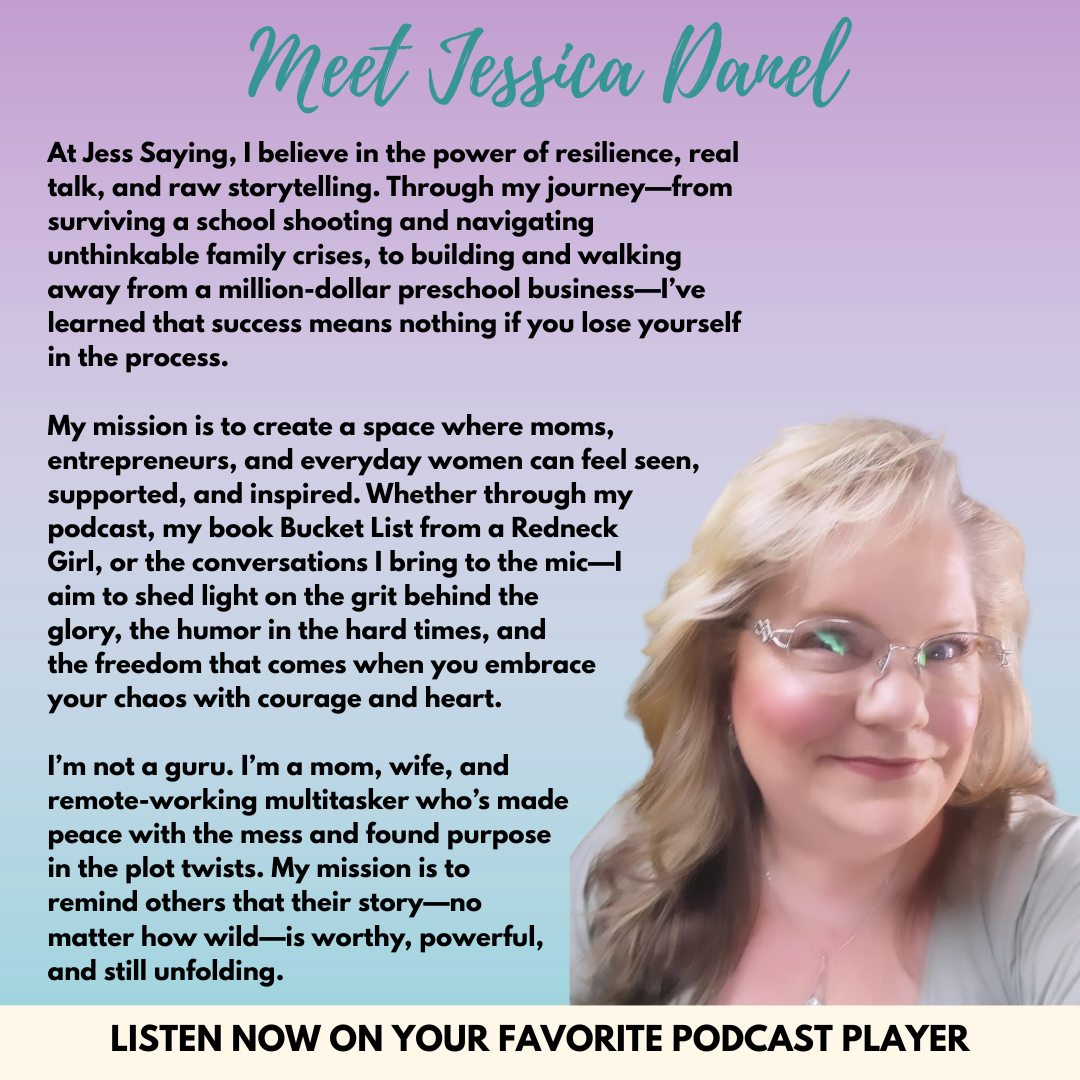
When Life Throws Curveballs: How One Mama Found Hope and Humour Amidst Heartbreak and Healing


When Life Throws Curveballs: How One Mama Found Hope and Humour Amidst Heartbreak and Healing

Introduction:

Life rarely unfolds the way we expect. In this blog recap of Mamahood After Trauma, Emily Cleghorn sits down with Jessica Danel to explore the realities of parenting through trauma, loss, and uncertainty. Through her story of resilience, advocacy, and healing, Jessica offers encouragement and practical wisdom for mothers learning to find hope even in life’s hardest seasons.

Embracing the Complexity of Motherhood After Trauma

Jessica Danel’s journey is anything but linear. She has navigated the challenges of step-parenting, high-risk pregnancies, her children’s complex medical diagnoses, and the loss of her business. Her story reminds us that motherhood, especially after trauma, is rarely straightforward.

Key Takeaway:

Motherhood after trauma is layered, unpredictable, and often isolating. But by sharing our stories and supporting one another, we can break cycles, heal, and parent with greater confidence and compassion.

Tip 1: Navigating Unique Parenting Journeys

The Stepmom Experience

Jessica speaks openly about the emotional complexity of being a stepmom. Feeling like a mother while not always being recognized as one, combined with navigating difficult relationships with biological parents, can be challenging.

Actionable Advice:

  • Acknowledge Your Role:
    • Validate your feelings and contributions as a step-parent, even if others don’t.

  • Set Boundaries:
    • Communicate openly with your partner and co-parents about roles, expectations, and boundaries.

  • Seek Support:
    • Join step-parenting groups or seek counseling to process unique challenges.

Parenting Children with Special Needs

Jessica’s children faced significant health challenges, including premature birth, heart defects, cerebral palsy, autism, and Asperger’s.

Actionable Advice:

  • Trust Your Instincts:
    • If you sense something is wrong, advocate for further testing and support.

  • Educate Yourself:
    • Learn about your child’s diagnosis to better understand their needs and advocate effectively.

  • Build a Care Team:
    • Collaborate with therapists, doctors, and educators to create a holistic support system.

Tip 2: Advocating for Your Children’s Health and Wellbeing

Jessica’s story underscores the importance of being a relentless advocate for your children, especially when navigating the medical system.

In-Depth Strategies:

  • Document Everything:
    • Keep detailed records of symptoms, appointments, and treatments.

  • Ask Questions:
    • Don’t be afraid to challenge medical professionals or seek second opinions.

  • Prepare for Setbacks:
    • Medical journeys are rarely linear. Expect ups and downs, and celebrate small victories.

Expert Insight:

Jessica’s persistence in seeking answers for her daughter’s developmental delays led to critical diagnoses and early interventions. Her story illustrates that parental intuition is invaluable. Never underestimate your gut feeling.

Tip 3: Rebuilding After Loss and Setbacks

Jessica built a thriving preschool business from scratch, only to lose it during the 2008 economic crash. This loss brought significant grief and marked a major turning point in her life, highlighting the deep emotional impact that professional setbacks can have.

Actionable Steps for Rebuilding:

  • Allow Yourself to Grieve:
    • Acknowledge the loss and give yourself permission to mourn.

  • Reframe the Narrative:
    • View setbacks as opportunities for growth and redirection.

  • Pursue New Passions:
    • Jessica returned to school, earned advanced degrees, and started a new career in media. This demonstrated the power of reinvention.

Nuanced Perspective:

Loss isn’t just about what’s gone; it’s about what you’ve learned, how you grew, and the new paths you discover.

Tip 4: Owning Your Story and Healing Out Loud

Jessica’s willingness to share her story through her book, podcast, and public speaking demonstrates the healing power of vulnerability. Through her podcast, Just Sayin’, Jessica has found a space to connect with others, process her experiences, and encourage those facing similar challenges.

How to Own Your Story:

    • Share Selectively:

      • Choose safe spaces and trusted people to share your experiences.

    • Use Your Voice:
      • Whether through writing, podcasting, or conversation, telling your story can break stigma and inspire others.

    • Practice Self-Compassion:
      • Healing is not linear; be gentle with yourself as you process and share.

    Tip 5: Finding Humour and Hope in Hardship

    Despite her challenges, Jessica infuses her story with humour, calling her wedding a “Jerry Springer wedding” and writing a book filled with “crazy things” she has survived.

    Why Humour Matters:

    • Builds Resilience:
      • Laughter can be a powerful coping mechanism, helping you process pain and maintain perspective.

    • Connects Us:
      • Sharing funny or absurd moments fosters connection and reduces isolation.

    • Reframes Trauma:
      • Humour doesn’t minimize pain, but it can help you reclaim your narrative.

    Actionable Advice:

    • Look for the Light:
      • Even in dark times, seek out moments of levity.

    • Share the Silly:
      • Don’t be afraid to tell the “crazy” stories. They are part of your strength.

    Expert Advice: Practical Steps for Healing and Growth

    Drawing from Jessica’s journey and Emily’s expertise as a trauma-informed coach, here are actionable steps for mothers healing after trauma:

    1- Assess Where You Are

    2- Build Your Support Network

    • Seek out therapists, support groups, and online communities for trauma survivors and special needs parents.

    3- Prioritize Self-Care

    • Schedule regular breaks, practice mindfulness, and set boundaries to protect your energy.

    4- Educate Yourself

    • Read books, listen to podcasts, and attend workshops on trauma, parenting, and self-healing.

    5- Celebrate Progress

    • Acknowledge every step forward, no matter how small.

    Resources and Next Steps

    Final Thoughts

    Jessica Danel’s story is a beacon of hope for mothers navigating trauma, loss, and the unpredictable journey of parenting. Her resilience, humour, and willingness to heal out loud remind us that while we can’t control what happens to us, we can choose how we respond, rebuild, and rise.

    If you’re a mama healing after trauma, know that you’re not alone. Your story matters, and your healing is possible.

    If you’re ready to take your next step toward calmer, more confident motherhood, explore Emily’s free quiz linked in the resource section.

    Until next time, mend the past so you can mama in peace.