How Can Healing from Trauma Help You Reclaim Your Voice as a Single Mama?


How Can Healing from Trauma Help You Reclaim Your Voice as a Single Mama?

Introduction

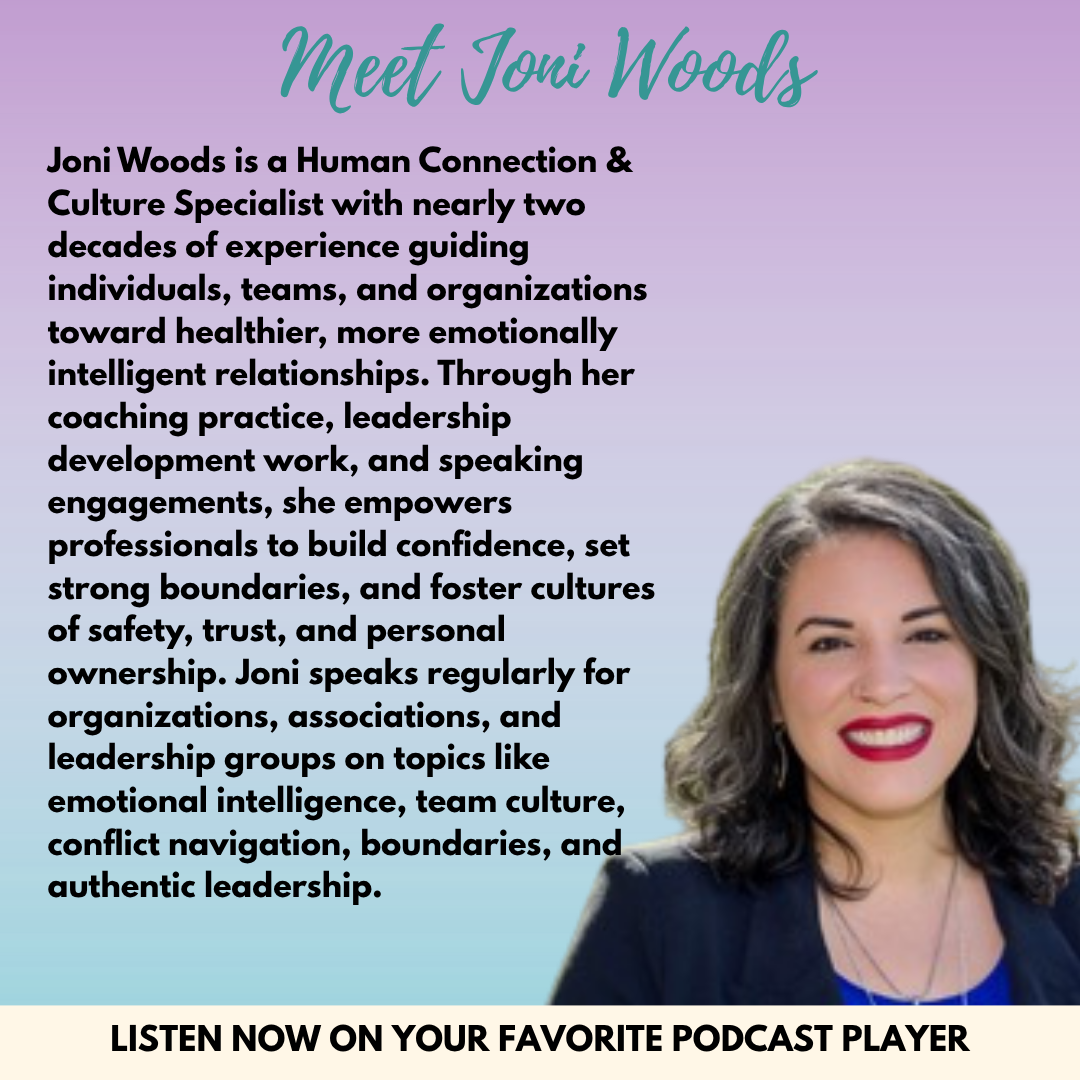
In this blog recap of Mamahood After Trauma, Emily Cleghorn and Joni Woods explore what it means to reclaim your voice after trauma. Through honest conversations about people-pleasing, emotional intelligence, journaling, and personal accountability, Joni shares practical insights for mothers learning to let go of others' expectations and embrace a more authentic life. Her story offers hope and encouragement for anyone seeking healing, healthier relationships, and the confidence to move forward with purpose.

The Trap of Living for Others: Recognizing the Cycle

Joni’s journey began with a realization that she had spent years living according to other people’s expectations. Like many women, she followed the “checklist” handed down by family and society: get a good education, get married, have kids, and happiness will follow. But Joni and Emily both agree that this formula often leads to emptiness when it’s not aligned with your authentic self.

Key Insights:

  • External Validation is a Moving Target:
    • No matter how many boxes you check, fulfillment remains elusive if you’re not living for yourself.

  • The Cost of People-Pleasing:
    • Constantly trying to fit into others’ molds can erode your sense of self and leave you feeling invisible or resentful.

  • Breaking the Cycle Requires Discomfort:
    • Choosing yourself often means ruffling feathers, facing gossip, and enduring judgment from those invested in the status quo.

Actionable Advice:

  • Audit Your Motivations:
    • Ask yourself, “Whose approval am I seeking with this decision?” If it’s not your own, pause and reconsider.

  • Notice Patterns:
    • Are you repeating choices that don’t serve you because they’re expected? Awareness is the first step to change.

Finding Your Voice: The Power of Self-Definition

Joni’s turning point came during her divorce, a process that forced her to confront the reality that she could no longer live for others. Her ex-husband’s refusal to take responsibility in their marriage illuminated the need for her to define herself on her own terms.

Key Insights:

  • Self-Definition is Empowering:
    • Deciding who you want to be, regardless of others’ opinions, is the ultimate act of self-love.

  • Standing Firm is a Practice:
    • It’s not a one-time event. You’ll need to reaffirm your choices, especially when others question or criticize you.

  • Therapy Through Storytelling:
    • Writing her memoir was Joni’s way of processing her journey and reclaiming her narrative.

Actionable Advice:

  • Write Your Own Story:
    • Whether through journaling, art, or conversation, find a way to articulate your truth.

  • Set Boundaries:
    • Practice saying, “This is who I am, and if it doesn’t fit your mold, that’s okay.”

Emotional Intelligence: The Cornerstone of Healing

A central theme in Joni’s story is the role of emotional intelligence (EI) in healing from trauma and navigating complex relationships. EI is not just about understanding your emotions, but also about taking responsibility for your actions and their impact.

Key Insights:

  • Self-Awareness:
    • Recognize your feelings and triggers without judgment.

  • Self-Reflection:
    • Regularly examine your role in conflicts and patterns.

  • Accountability:
    • Own your part, even when it’s uncomfortable.

Joni shared a poignant example:

After her ex-husband's death, she realized that her contentious relationship with his family had consequences for her children. Instead of blaming them, she reflected on her own actions and worked to rebuild those bridges.

Actionable Advice:

  • Ask Hard Questions:
    • “How long am I willing to stay in a situation that’s hurting me?” “What am I allowing in my life that doesn’t serve me?”

  • Practice Radical Accountability:
    • When relationships break down, look for your part in the dynamic, not just the other person’s faults.

Journaling as a Tool for Clarity and Release

Both Joni and Emily emphasize the transformative power of journaling. For Joni, writing during her night shifts became a lifeline. It became a way to process arguments, clarify her thoughts, and quiet the “brain goblins” of self-doubt and regret.

Key Insights:

  • Journaling is Flexible:
    • It doesn’t have to be pen and paper. Voice notes, digital documents, or even art can serve as outlets.

  • Release, Don’t Ruminate:
    • Getting thoughts out of your head and onto the page (or another medium) prevents them from festering and causing harm.

  • Pattern Recognition:
    • Journaling helps you spot recurring themes and triggers, making it easier to break unhealthy cycles.

Actionable Advice:

  • Start Small:
    • Set aside 5-10 minutes a day to write or record your thoughts.

  • Use Prompts:
    • Try questions like, “What am I feeling right now?” or “What do I wish I could say?”

  • Review Regularly:
    • Look back on past entries to track your growth and notice patterns.

Accountability and Self-Reflection: Cleaning Your Side of the Street

Joni’s story underscores the importance of taking responsibility for your own actions, especially in the aftermath of trauma or conflict. This doesn’t mean blaming yourself for everything, but rather acknowledging your role and making amends where possible.

Key Insights:

  • You Can Only Control Your Side:
    • Focus on what you can change: your actions, your responses, and your boundaries.

  • Repair is Possible:
    • Even if relationships have been damaged, taking accountability can open the door to healing.

  • Let Go of the Outcome:
    • Do your part, but release attachment to how others respond.

Actionable Advice:

  • Initiate Difficult Conversations:
    • If you recognize a relationship has suffered due to your actions, reach out and express your desire to repair.

  • Forgive Yourself:
    • Growth requires self-compassion. Acknowledge mistakes, learn, and move forward.

Action Steps for Mamas: Building Emotional Intelligence

Are you ready to strengthen your emotional intelligence and break free from old patterns? Here are some concrete steps that might help:

1- Start with Self-Awareness

  • Regularly check in with your emotions.

  • Notice when you’re triggered and pause before reacting.

2- Practice Self-Reflection

  • After conflicts or difficult days, ask yourself, “What was my role in this? What could I have done differently?”

  • Use journaling or voice notes to process these reflections.

3- Take Accountability

  • Own your part in relationship dynamics, even when it’s hard.

  • Apologize and make amends when necessary.

4- Set Boundaries

  • Identify what you will and won’t tolerate in your relationships.

  • Communicate your needs clearly and consistently.

5- Seek Support

  • Healing is not a solo journey. Reach out to friends, therapists, or support groups.

  • Use resources like Emily’s Find Your Next Step to Calm and Healing quiz to identify where you are and what you need next.

Connect with Joni Woods

Joni’s journey is ongoing, and she continues to share her story and insights with others. You can connect with her and follow her work here:

Final Thoughts

Healing after trauma requires courage, self-compassion, and a willingness to break old cycles. Joni Woods’ story is a testament to the power of emotional intelligence, self-reflection, and radical accountability. By embracing these practices, you can reclaim your voice, redefine your life on your own terms, and model resilience for your children.

Remember:

You are not alone. Every step you take toward healing is a victory, and every act of self-love ripples out to those you care for most.

Ready to Take Your Next Step?

Take Emily Cleghorn’s free Find Your Next Step to Calm and Healing quiz to discover where you are in your journey and what support will serve you best.

Subscribe to the “Mamahood After Trauma” podcast for more inspiring stories and actionable guidance each week.

Support the Podcast

Become a Mamahood After Trauma supporter through Buy Me a Coffee. Your support helps us continue creating free podcast episodes and resources for mamas healing from trauma.

Supporters receive a shout-out on the podcast!