Mama, You’re Not Messing Up: Embracing Imperfection After Trauma


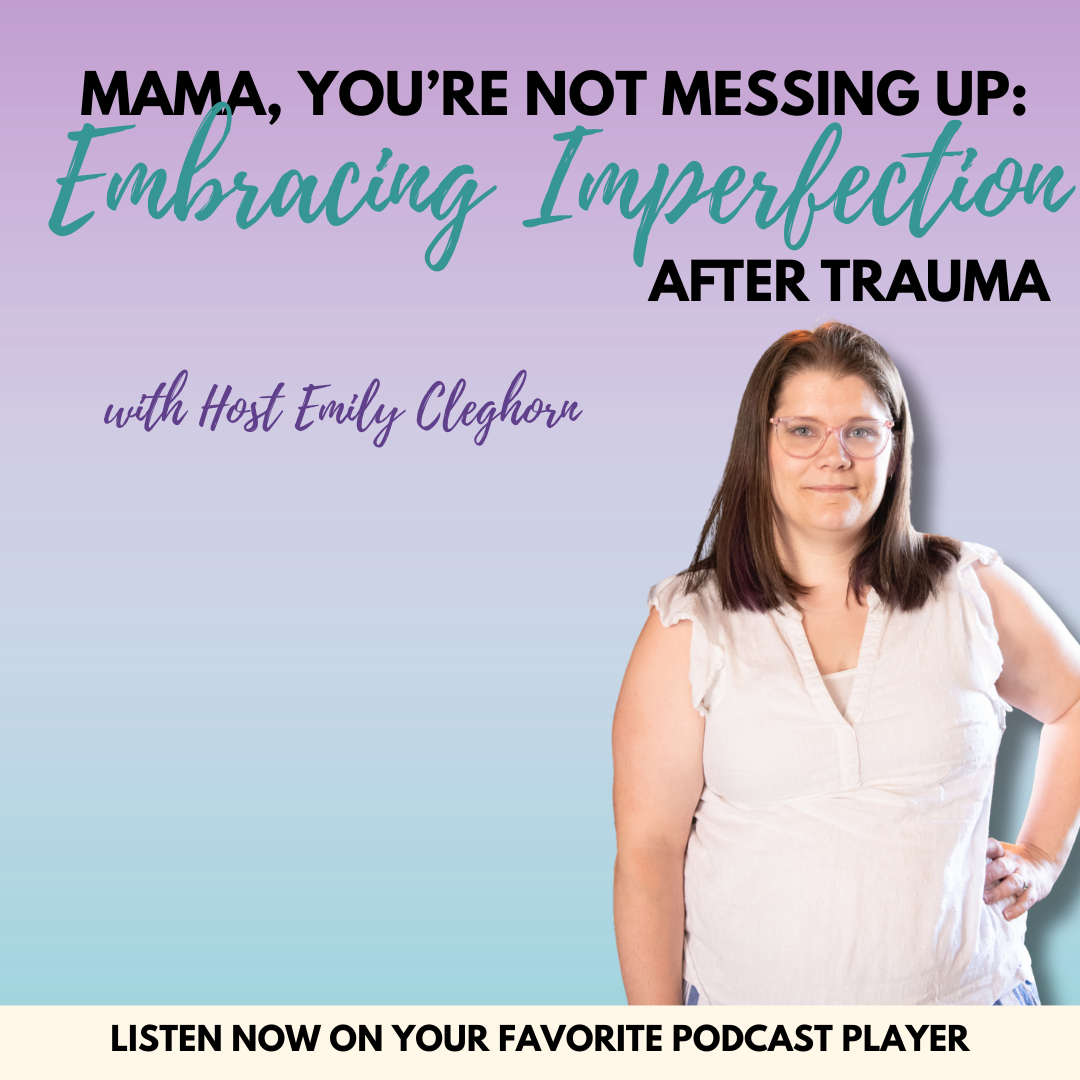
Mama, You’re Not Messing Up: Embracing Imperfection After Trauma

Intro:

If you constantly question whether you're doing enough as a mom, you're not alone. For mothers who have experienced trauma, self-doubt can become an exhausting part of everyday parenting. In this blog recap of Mamahood After Trauma, Emily Cleghorn explores why trauma makes it difficult to trust yourself, how to recognize the signs of healing, and practical ways to move from fear and perfectionism toward confidence, repair, and peace in motherhood.

Understanding the Roots of Self-Doubt in Motherhood After Trauma

The Amplification of Self-Doubt

Motherhood naturally brings questions:

  • Am I too strict or too lenient?

  • Am I too emotional or too detached?

  • Am I reacting from a place of love or from my own triggers?

For trauma survivors, these questions can become relentless. Emily explains that trauma, especially when it involves emotional invalidation, gaslighting, or punishment for expressing feelings, teaches us to distrust our own perceptions and instincts. This leads to:

  • Overanalysis:
    • Second-guessing every decision and interaction.

  • Reassurance-seeking:
    • Constantly looking to others for validation.

  • Panic after difficult moments:
    • Spiralling into guilt or shame after a tough parenting episode.

  • Comparison:
    • Measuring oneself against other mothers, often harshly.

Key Insight:

Self-doubt is not a sign of failure; it’s a natural response to past experiences where your feelings and instincts were dismissed or punished.

Healing Does Not Require Perfection

The Myth of the Perfect Mother

Healing and effective parenting do not require perfection. Many trauma survivors believe that they must have everything figured out before they can trust themselves as mothers. This belief is both unrealistic and counterproductive.

Actionable Advice:

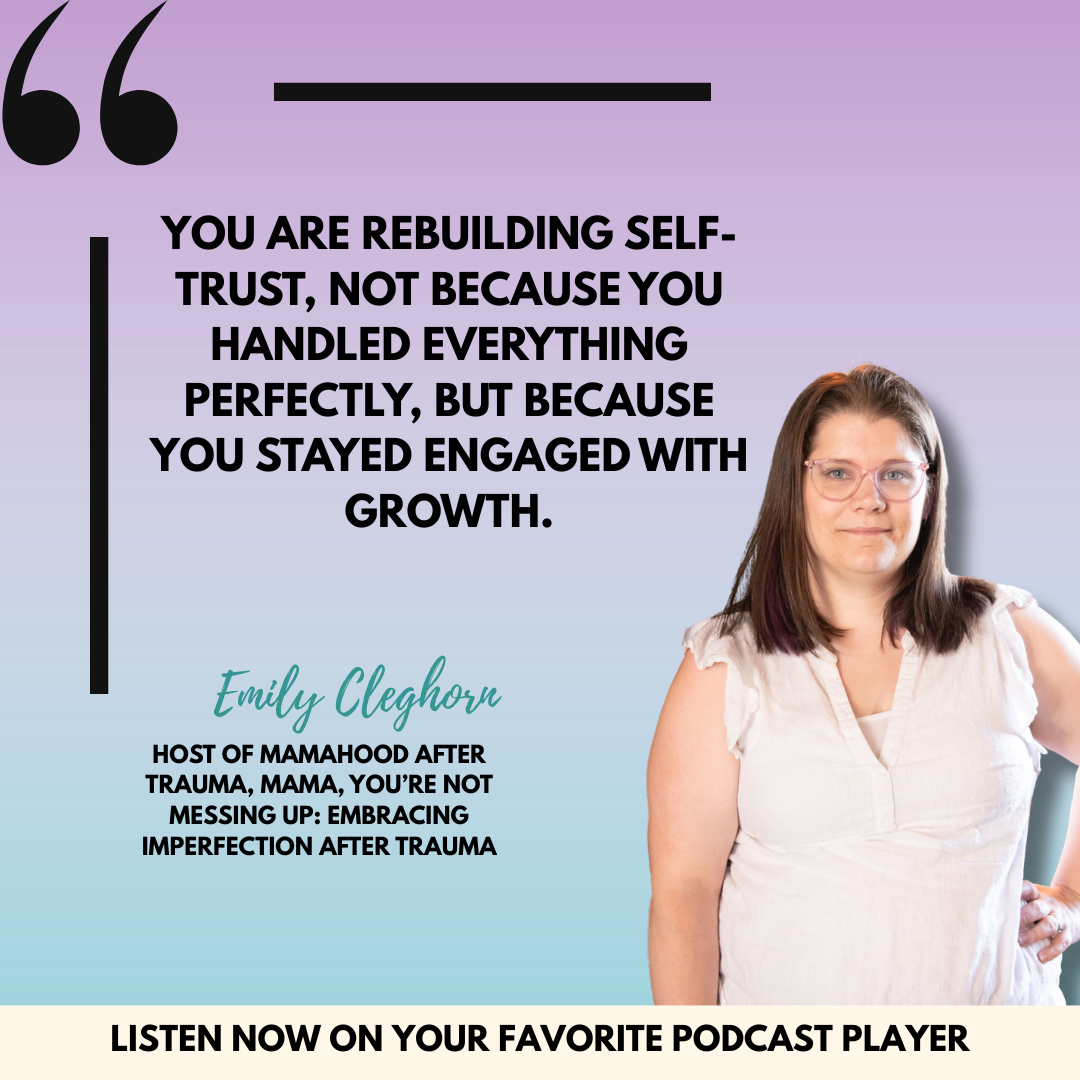
  • Release the need for perfection. Healing is a journey, not a destination.

Embrace “good enough.” Being a safe, loving parent is about being “safe enough” to repair, grow, and change. It is not about never making mistakes.

Expert Perspective:

Unhealthy parents rarely worry about becoming healthier. The very fact that you care about your impact on your children is a sign of growth and self-awareness.

Signs You’re Rebuilding Self-Trust (Even If It Doesn’t Feel Like It)

There are subtle but powerful indicators that a mother is actively rebuilding self-trust. Recognizing these signs can help you see your progress, even when self-doubt lingers.

1- Reflecting on Reactions Instead of Justifying Them

  • What it looks like:
    • After a difficult moment, you pause to consider why you reacted the way you did, rather than defending or minimizing your behaviour.

  • Why it matters:
    • Reflecting is the foundation of growth. It allows you to identify patterns, triggers, and opportunities for change.

Action Step:

After a challenging interaction, ask yourself:

  • What was I feeling in that moment?

  • What did I need?

  • How can I respond differently next time?

2- Apologizing to Your Children When Necessary

  • What it looks like:
    • You’re willing to say, “I’m sorry,” and repair the relationship after a rupture.

  • Why it matters:
    • Apologizing models accountability and teaches your children that mistakes are part of being human.

Action Step:

Practice simple, sincere apologies:

  • “I’m sorry I raised my voice. I was feeling overwhelmed, but that’s not your fault.”

3- Noticing Triggers Sooner

  • What it looks like:
    • You become aware of your triggers more quickly, sometimes even before you react.

  • Why it matters:
    • Early awareness gives you the power to pause, regulate, and choose a different response.

Action Step:

Keep a trigger journal. Note situations that set you off and look for patterns. Over time, you’ll spot triggers sooner and respond with more intention.

4- Questioning Old Beliefs

  • What it looks like:
    • You start to challenge the messages you received in childhood or from past abusers.

  • Why it matters:
    • Questioning old beliefs is essential for breaking cycles and creating a new narrative for yourself and your children.

Action Step:

When a critical thought arises, ask:

  • “Whose voice is this?”

  • “Is this belief serving me or my family?”

5- Seeking Healing Instead of Denial

  • What it looks like:
    • You actively pursue healing through therapy, support groups, or self-education instead of pretending everything is fine.

  • Why it matters:
    • Denial keeps cycles of trauma alive. Seeking healing is a courageous act of self-love and protection for your children.

Action Step:

Identify one area where you need support and take a small step: reach out to a therapist, join a support group, or read a book on trauma-informed parenting.

6- Caring Deeply About Your Children’s Experience

  • What it looks like:
    • You worry about how your children experience you, not because you’re failing, but because you want to do better.

  • Why it matters:
    • This concern is a sign of empathy and commitment to breaking generational cycles.

Action Step:

Ask your children (in age-appropriate ways) how they feel about your relationship. Listen with openness and curiosity.

Practical Tools for Rebuilding Self-Trust

Emily emphasizes that rebuilding self-trust is a gradual process, built through small, intentional actions. Here are some practical tools to support your journey:

1- Pause Instead of Reacting

  • Practice:
    • When you feel triggered, take a deep breath and pause before responding.

  • Benefit:
    • This creates space for a more thoughtful, less reactive response.

2- Repair After Ruptures

  • Practice:
    • If you lose your temper or make a mistake, circle back and repair the relationship.

  • Benefit:
    • Repair builds trust and models healthy conflict resolution.

3- Honour Your Boundaries

  • Practice:
    • Set and maintain boundaries with your children, partner, and extended family.

  • Benefit:
    • Boundaries protect your energy and teach your children about self-respect.

4- Choose Awareness Over Shame

  • Practice:
    • When you notice a pattern or trigger, approach it with curiosity, not self-criticism.

  • Benefit:
    • Awareness leads to growth; shame leads to stagnation.

5- Ask for Support

  • Practice:
    • Reach out to family, friends, or professionals when you need help.

  • Benefit:
    • Support reduces isolation and provides new perspectives.

Introducing “The Rising Room”: A Safe Space for Healing

To further support trauma-surviving mothers, Emily introduces The Rising Room, a program focused on:

  • Nervous system healing:
    • Learn to regulate your body’s stress response.

  • Emotional regulation:
    • Develop tools to manage big feelings.

  • Trigger awareness:
    • Identify and work through your unique triggers.

  • Practical parenting support:
    • Get actionable strategies for everyday challenges.

Recommendation:

If you’re ready to deepen your healing, consider joining The Rising Room. Find the link by clicking here.

Take the Next Step: Free Quiz for Calm and Confidence

Take Emily’s free quiz, “Find Your Next Step to Calm and Confidence,” to discover personalized guidance for your healing and parenting journey. This resource is designed to help you identify where you are and what you need most right now.

Final Thoughts: You Don’t Have to Be Perfect to Be a Safe Mama

Emily’s closing message is both reassuring and empowering:

“You do not need to be perfect to become a safer place for your children. Healing the past allows you to mama in peace.”

Key Takeaways:

  • Self-doubt is a normal response to trauma, not a sign of failure.

  • Healing is a journey of small, intentional steps—not a quest for perfection.

  • The willingness to heal makes you a safer, more loving parent.

  • Support, reflection, and self-compassion are essential tools for breaking cycles.

Remember:

Mend the past so you can mama in peace. You are not alone on this journey, and every step you take matters.

Support the Podcast

Become a Mamahood After Trauma supporter through Buy Me a Coffee. Your support helps us continue creating free podcast episodes and resources for mamas healing from trauma. 

Supporters receive a shout-out on the podcast!