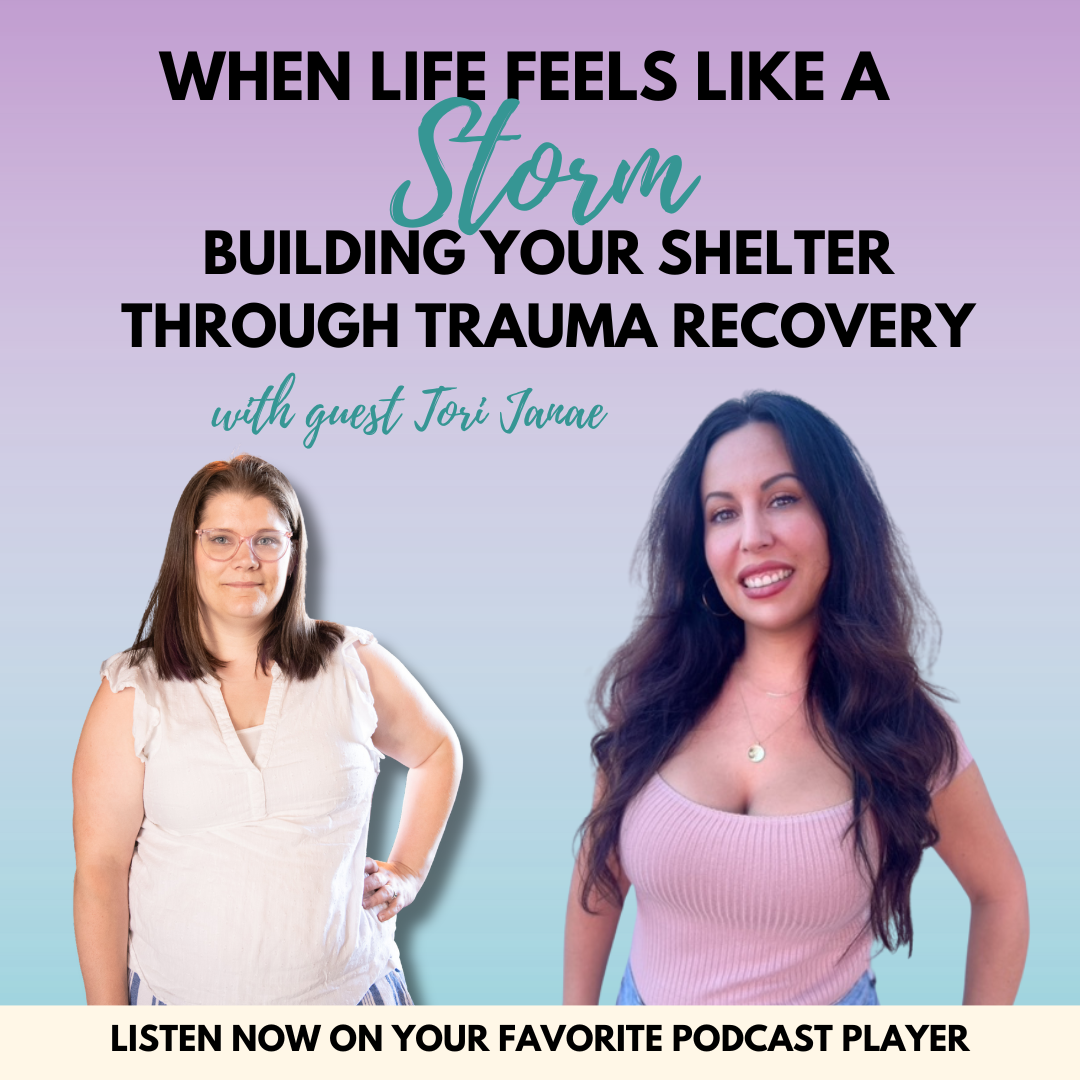
When Life Feels Like a Storm: Building Your Shelter Through Trauma Recovery
Intro
Life after trauma can feel like living in the middle of an endless storm. Whether you're navigating the effects of childhood trauma, addiction in your family, or the daily challenges of motherhood, healing can feel overwhelming when you don't know where to begin. In this blog recap of Mamahood After Trauma, Emily Cleghorn sits down with trauma recovery expert and survivor Tori Jenae to explore practical, hope-filled strategies for breaking free from a victim mindset, regulating your nervous system, finding purpose, and taking small, sustainable steps toward lasting healing. You don't have to wait for the storm to end—you can begin building your shelter today.
The Power of Lived Experience in Trauma Recovery
Why Lived Experience Matters:
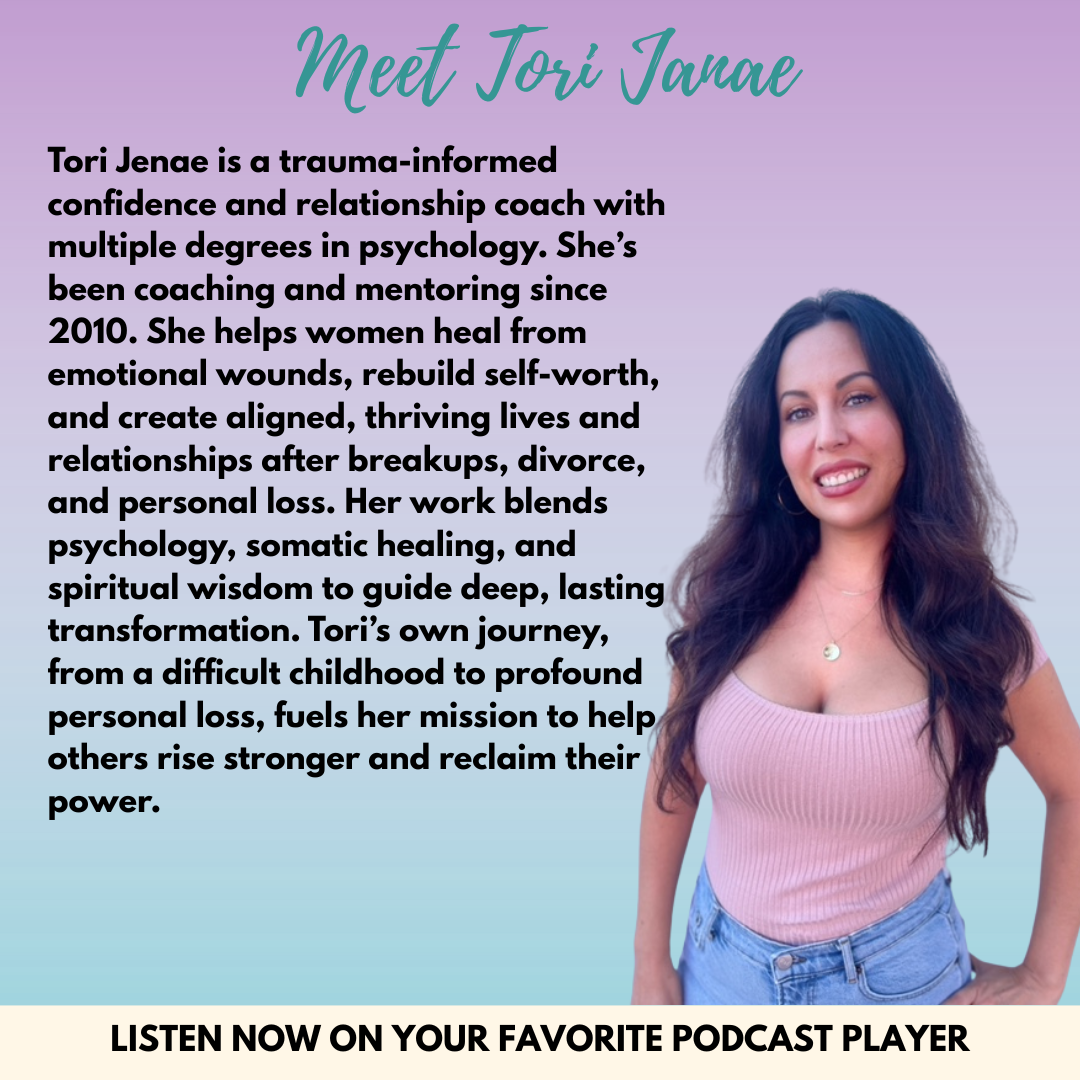
Tori Janney’s story is a testament to the power of combining academic knowledge with personal experience. Born into a family marked by addiction and trauma, Tori not only survived but became a cycle breaker, helping both herself and her brother find sobriety and healing.
Key Insights:
- Embodied Understanding:
Many therapists have the credentials but lack the lived reality of trauma. Tori emphasizes that true empathy and effective support often come from those who have “walked through the fire” themselves.
- Validation and Connection:
Survivors often feel misunderstood by professionals who haven’t experienced similar pain. Finding practitioners or communities who “get it” can be a lifeline.
- Holistic Healing:
Tori’s approach integrates psychology, yoga, Ayurveda, and functional medicine, recognizing that trauma affects mind, body, and spirit.
Actionable Advice:
Seek out support from those with both expertise and lived experience.
Don’t be afraid to share your story. Your vulnerability can be a source of strength and connection.
Explore holistic modalities that address the full spectrum of trauma’s impact.
Step One: Shifting Out of the Victim Mindset
The Hardest, and Most Essential Step:
Tori’s “golden nugget” for listeners is clear: Nothing changes until you shift out of the victim mindset. This doesn’t mean denying your pain or pretending everything is fine. Instead, it’s about reclaiming agency and choosing how you respond to what’s happened.
What Is the Victim Mindset?
- Internal Dialogue:
“Why me? Bad things always happen to me.”
- Looping Trauma:
Reliving the same pain, year after year, without moving forward.
- Feeling Powerless:
Believing you have no control over your healing or future.
How to Shift Out of It:
- Acknowledge the Reality:
It’s not fair, and it’s not your fault. But you can choose your response.
- Decide to Heal:
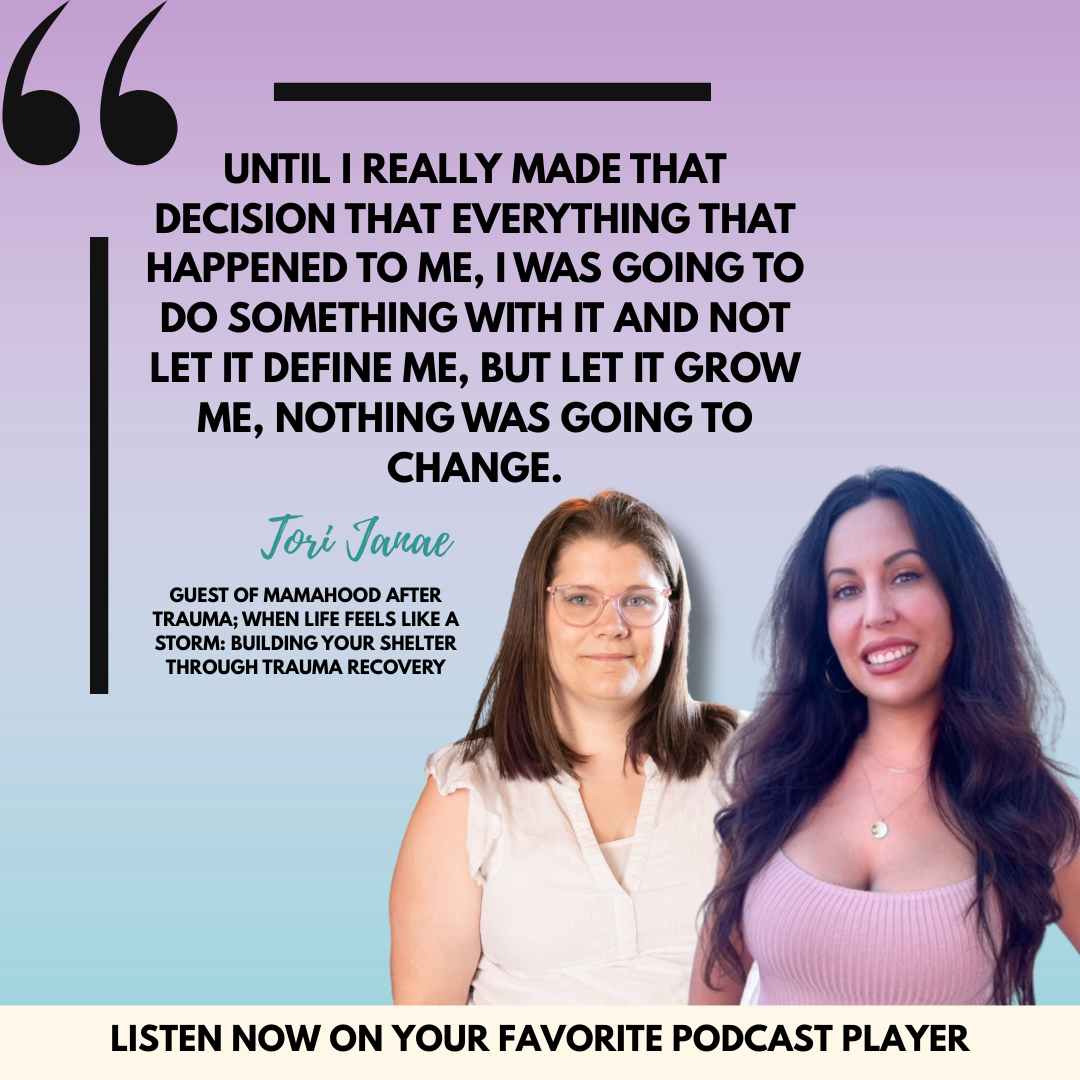
Make a conscious decision to do something with your pain: transform it, learn from it, and grow.
- Seek Support:
If you’re stuck in the same trauma loop after a year, it’s time to reach out for more help.
Expert Insight:
Pressure creates diamonds. The most beautiful transformations often come from the hardest experiences. Emily notes, “Fireweed only grows after wildfires. Beauty can come from devastation.”
Step Two: Choosing Your Focus Area
Don’t Try to Fix Everything At Once.
After shifting your mindset, the next step is to identify where you’re struggling most and focus your energy there. Trauma impacts every area of life: physical health, mental health, relationships, and more. Trying to address everything simultaneously leads to overwhelm and burnout.
How to Choose Your Focus:
- Assess Your Needs:
Are you struggling most with your physical health, mental health, or relationships?
- Pick One Area:
Commit to making progress in just one domain before moving to the next.
- Set Small, Achievable Goals, For Example:
If you have chronic health issues, schedule a checkup or find a new doctor.
If you’re battling anxiety or depression, consider therapy, support groups, or holistic practices.
If relationships are strained, focus on setting boundaries or reconnecting with one supportive person.
Nuanced Insights:
- Physical Health:
Many trauma survivors develop autoimmune disorders or skin issues (like eczema or psoriasis), which can be linked to boundary problems. Your body often reflects your emotional state.
- Mental Health:
Diagnoses like anxiety, depression, OCD, or ADHD are often trauma-based adaptations. Don’t get stuck on the label—focus on how symptoms show up in your life and what helps you feel better.
Actionable Steps:
Start with one small action in your chosen area.
Track your progress and celebrate small wins.
Remember: 1% improvement each week adds up to 50% better by year’s end.
Step Three: Small Steps for Nervous System Regulation
Why Nervous System Regulation Matters:
Trauma dysregulates the nervous system, leading to hypervigilance, anxiety, and chronic stress. Healing requires learning to calm your body and mind.
Practical Techniques:
- Breathwork:
Simple breathing exercises can help complete the stress cycle and bring you back to safety.
- Movement:
Gentle walks, yoga, or stretching help release stored tension.
- Supplements:
- If medication isn’t an option, certain supplements can support brain health:
L-tyrosine for focus and ADHD symptoms.
Saffron for mood support.
SAM-e for depression.
- If medication isn’t an option, certain supplements can support brain health:
Expert Advice:
- Don’t wait for life to “calm down” before taking care of yourself.
The storm may never pass; you have to build your own shelter.
- Recognize the negativity bias of the trauma brain.
Your mind is wired to scan for threats, but you can retrain it with consistent practice.
Actionable Steps:
Practice a daily grounding exercise, even for five minutes.
Try one new supplement (with your doctor’s guidance) if you’re struggling with mood or focus.
Reach out to one person if you’re feeling isolated.
Step Four: Finding Meaning and Connection
Healing is not just about symptom relief, it’s about finding purpose.
One of the most powerful antidotes to depression and despair is meaningful connection.
How to Cultivate Meaning:
- Help Others:
Volunteering or small acts of kindness can transform your pain into purpose. Even sweeping a neighbor’s porch can be life-saving—for both of you.
- Share Your Story:
Vulnerability fosters connection and reminds others (and yourself) that you’re not alone.
- Spiritual Exploration:
Whether through faith, philosophy, or personal reflection, seek out practices that help you make sense of your journey.
Expert Insight:
“Our deepest wounds become our greatest wisdom—if we can metabolize them.”- Tori Janney
Actionable Steps:
Do one kind thing for someone else this week.
Journal about how your pain has shaped your strengths.
Explore spiritual or philosophical resources that resonate with you.
Expert Recommendations and Resources
Tori Janney’s Free Resource:
The Seven Core Psychological Wounds- A guide to identifying and beginning to heal wounds like betrayal or abandonment.
Find it on Tori’s website by clicking here or connect with her on Instagram by clicking here.
Emily Cleghorn’s Free Quiz:
Find Your Next Step to Calm and Healing — Discover where you are in your healing journey and what your next best step looks like.
Take the quiz by clicking here.
Additional Recommendations:
Therapy with trauma-informed practitioners.
Support groups for mothers and trauma survivors.
Holistic healing modalities (yoga, Ayurveda, functional medicine).
Books and podcasts on trauma recovery.
Final Thoughts: Healing Is Possible
Breaking generational cycles of trauma is not easy, but it is possible. As Tori and Emily’s conversation reveals, healing is a journey of small, consistent steps, radical self-compassion, and the courage to reach out for support.
Thank you for subscribing!
Have a great day!
Support the Podcast
Become a Mamahood After Trauma supporter through Buy Me a Coffee. Your support helps us continue creating free podcast episodes and resources for mamas healing from trauma.
Supporters receive a shout-out on the podcast!