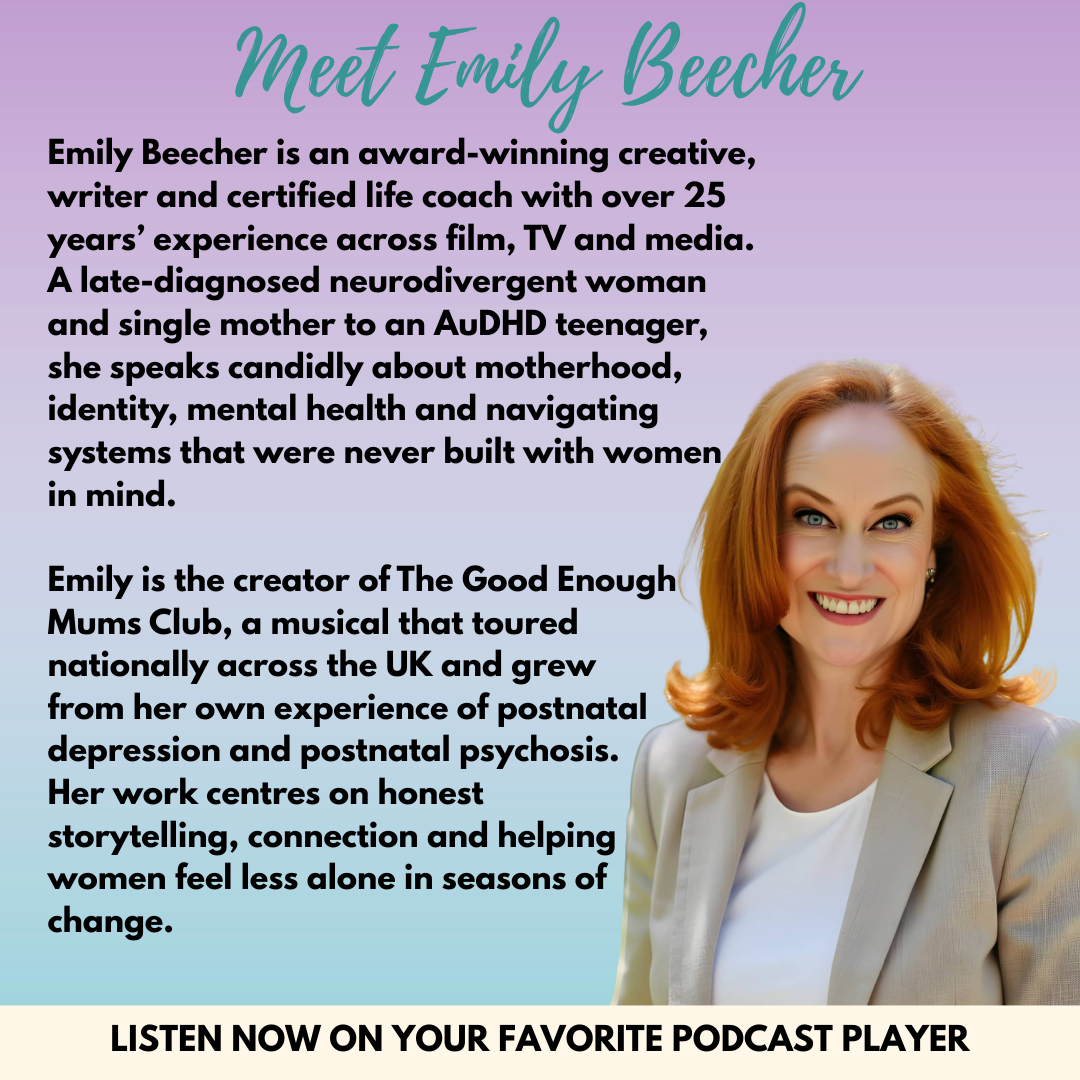
When "Good Enough" Is More Than Enough: Parenting Through Postnatal Challenges and ADHD


When

Intro

What if being a "good enough" mom is exactly what your child needs? For mothers healing from trauma, perfectionism can feel like the only way to keep everyone safe, but it often leaves us exhausted and disconnected. In this blog recap of Mamahood After Trauma, Emily Cleghorn and guest Emily Beecher discuss parenting through postnatal challenges, ADHD, and perfectionism while sharing practical encouragement to help you embrace authenticity, quiet your inner critic, and parent with confidence instead of fear.

The Main Theme: Letting Go of Perfectionism and Embracing “Good Enough” Parenting

At the heart of this blog is the liberating concept of “good enough” parenting, a philosophy rooted in psychological research and lived experience. Emily Cleghorn and Emily Beecher discuss how perfectionism, especially for mothers who have experienced trauma or are neurodivergent, can be a damaging cycle. Instead, embracing imperfection and authenticity fosters healing, connection, and resilience for both parent and child.

Understanding Your Story: The Power of Diagnosis and Self-Discovery

Key Insight:

Emily Beecher’s journey began with her daughter’s diagnosis of ADHD and autism, which led to her own late diagnosis of ADHD. This revelation reframed her entire life story, helping her understand her unique path and challenges.

Actionable Advice:

  • Reflect on Your Narrative:
    • Take time to examine the stories you tell yourself about your abilities, worth, and identity. Are they rooted in truth, or in outdated beliefs and societal expectations?

    • Consider journaling or talking with a trusted friend or therapist to unpack these narratives.

  • Seek Understanding, Not Labels:
    • A diagnosis can be a tool for self-compassion and clarity, not a limitation. Use it to understand your needs and strengths.

    • If you suspect neurodivergence in yourself or your child, pursue assessment and support. Knowledge is empowering.

  • Embrace Nonlinear Paths:
    • Recognize that neurodivergent and trauma-impacted lives often don’t follow “typical” trajectories. That’s not a flaw. It’s a different kind of strength.

Expert Tip:

Storytelling is a powerful tool for healing. Whether through writing, art, or conversation, sharing your story can help you reclaim your narrative and connect with others.

Healing Out Loud: The Importance of Vulnerability and Community

Key Insight:
Emily Beecher’s openness about her experiences with postnatal depression and psychosis helps break the silence and shame surrounding maternal mental health. By sharing her struggles, she became a safe space for others to share theirs.

Actionable Advice:

  • Speak Your Truth:
    • Don’t be afraid to talk about your mental health challenges. Vulnerability is not weakness. It’s a bridge to connection.

    • If you’re not ready to share publicly, start with a trusted friend, therapist, or support group.

  • Find or Build Your Community:
    • Seek out spaces (online or in-person) where mothers talk honestly about their struggles and triumphs.

    • Remember, you’re not alone. Many mothers are quietly carrying similar burdens.

  • Creative Expression as Healing:
    • Channel your experiences into creative outlets. Emily Beecher wrote a musical, The Good Enough Moms Club, transforming her pain into art that created connection and community.

Expert Tip:

When you share your story, you give others permission to do the same. This collective honesty is a powerful antidote to isolation and shame.

Letting Go of Perfectionism: The “Good Enough” Parenting Model

Key Insight:
The concept of “good enough” parenting, rooted in psychological theory, is a radical rejection of perfectionism. It’s about meeting your child’s needs with authenticity, not flawless performance.

Actionable Advice:

  • Ask Yourself: “Perfect for Who?”

    • Are you striving for an ideal that serves your child, or one that serves external expectations (social media, other parents, your own inner critic)

    • Challenge the urge to parent for the approval of others. Focus on what your unique child actually needs.

  • Model Imperfection:
    • Children learn more from what you do than what you say. Show them how to handle mistakes, apologize, and try again.

    • Being honest about your struggles teaches resilience and self-acceptance.

  • Adapt to Your Child’s Needs:
    • Emily Beecher created songs and routines to help her neurodivergent daughter feel safe. Tailor your parenting to your child’s reality, not an imagined ideal.

  • Combat Socially Prescribed Perfectionism:
    • Research shows that perfectionism imposed by societal standards can harm mental and physical health. Recognize it as a trauma response and give yourself permission to rebel against it.

Expert Tip:

Perfectionism is isolating. Authenticity builds trust and connection, both with your child and with other parents.

Managing Negative Self-Talk: Naming and Taming Your Inner Critic

Key Insight:

Emily Beecher personifies her inner critic as “Rumpelstiltskin,” a goblin whose power diminishes when named. This playful approach helps her acknowledge negative thoughts without letting them take over.

Actionable Advice:

  • Name Your Inner Critic:
    • Give your inner critic a name or persona. This creates distance and makes it easier to challenge.

    • When the voice pipes up, say, “Oh, that’s just Rumpelstiltskin again.”

  • Acknowledge, Then Move On:
    • Don’t try to eliminate negative thoughts completely. That’s unrealistic. Instead, notice them, name them, and let them pass.

    • Practice self-compassion. You are not your thoughts.

  • Use Creative Tools:
    • Write down intrusive thoughts and counter them with evidence of your strengths and successes.

    • Try art, music, or movement to shift your emotional state.

Expert Tip:
The goal isn’t to silence your inner critic forever, but to reduce its power and increase your self-awareness.

Parenting Through Change: Building Trust and Flexibility

Key Insight:
Parenting changes with every stage of your child’s life, which means your approach will need to grow and change too. Building a foundation of honesty and trust is more important than getting everything “right.”

Actionable Advice:

  • Prioritize Connection Over Control:
    • Focus on building a relationship where your child feels safe to be honest, even about mistakes or struggles.

    • Avoid rigid rules that don’t serve your child’s real needs.

  • Stay Flexible:
    • Be willing to adapt your parenting as your child grows and as you learn more about yourself and them.

    • Accept that you will make mistakes. Repair and move forward together.

  • Prepare for the Long Game:
    • The seeds of trust and authenticity you plant now will pay off in adolescence and beyond, when your child faces bigger challenges.

Expert Tip:

If your child doesn’t feel safe being honest with you, they may seek support elsewhere, sometimes from less trustworthy sources. Make your home a safe haven for truth.

Reframing Burnout and Secondary Trauma: The Power of Psychoeducation and Self-Reflection

Key Insight:

Emily Beecher’s experience with burnout led her to intensive therapy, where psychoeducation and creative therapies helped her understand and heal from secondary trauma.

Actionable Advice:

  • Invest in Psychoeducation:
    • Learn about trauma, stress, and communication. Understanding the “why” behind your reactions can be transformative.

    • Seek out resources, workshops, or therapy modalities that combine education with healing.

  • Reflect on Your Life’s Narrative:
    • Ask yourself: “Do I want to spend the next 42 years believing the same untrue things about myself?”

    • Use this as a turning point to rewrite your story with compassion and agency.

  • Embrace Creative Healing:
    • Art, writing, and music can be powerful tools for processing trauma and expressing emotions that are hard to verbalize.

Expert Tip:

Healing is not a one-time event, but an ongoing process. Give yourself grace as you learn and grow.

Final Thoughts: Authenticity Over Perfection

If you take anything from this blog post, remember this: You don’t have to be perfect to be a good mother. In fact, striving for perfection can be a barrier to real connection, healing, and joy. By embracing your story, sharing your struggles, and parenting with authenticity, you can begin breaking cycles of shame and isolation for yourself and your children.

Key Takeaways:

  • Your story matters. Understanding your neurodivergence or trauma history is a source of strength, not shame.

  • Vulnerability is powerful. Sharing your truth creates community and connection.

  • Perfectionism is a trap. “Good enough” parenting is not only sufficient; it’s optimal for real growth and trust.

  • Name and tame your inner critic. Don’t let negative self-talk define your worth.

  • Parenting is a journey. Stay flexible, prioritize connection, and trust that authenticity will guide you through.

Connect and Continue the Conversation
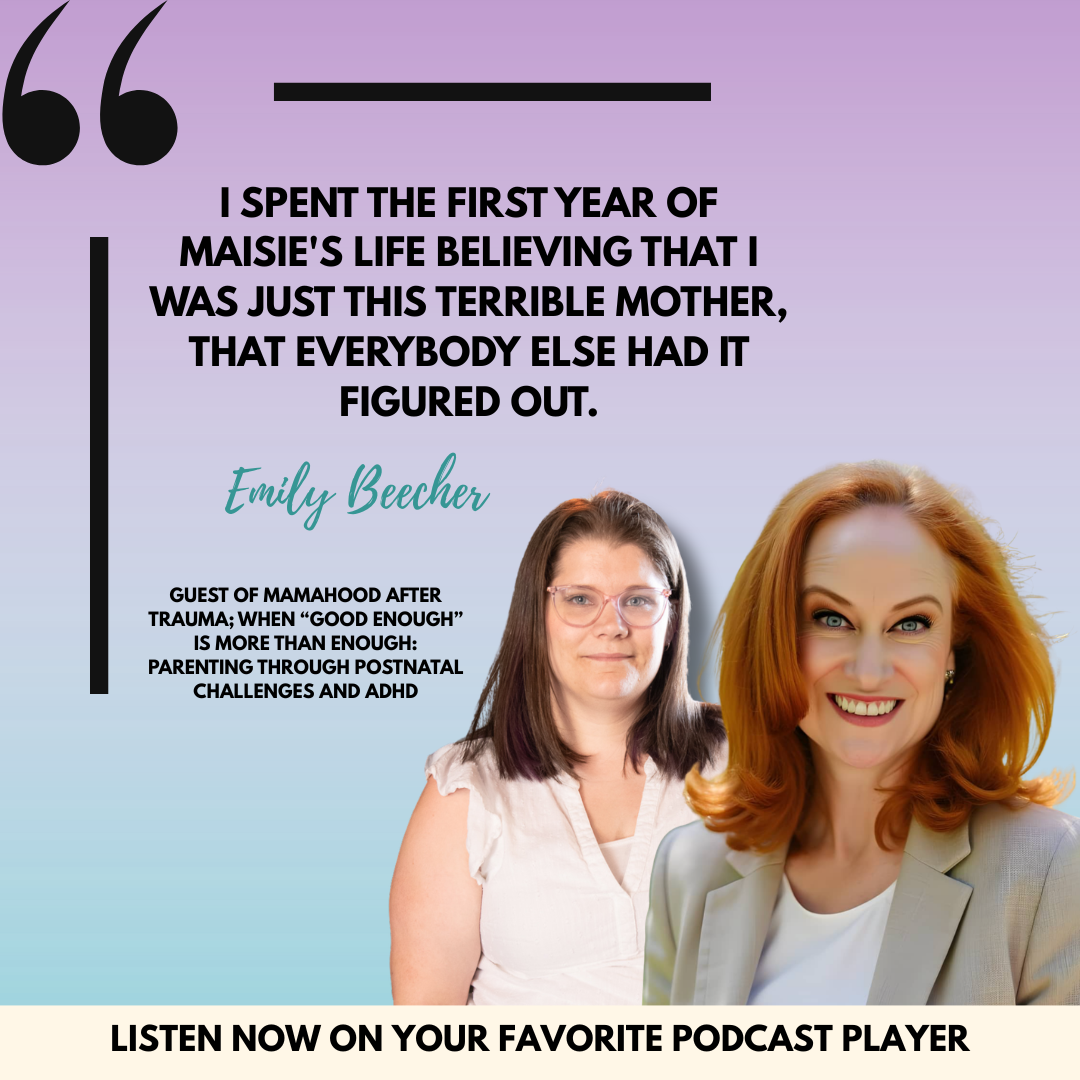
Support the Podcast

Become a Mamahood After Trauma supporter through Buy Me a Coffee. Your support helps us continue creating free podcast episodes and resources for mamas healing from trauma. 

Supporters receive a shout-out on the podcast!