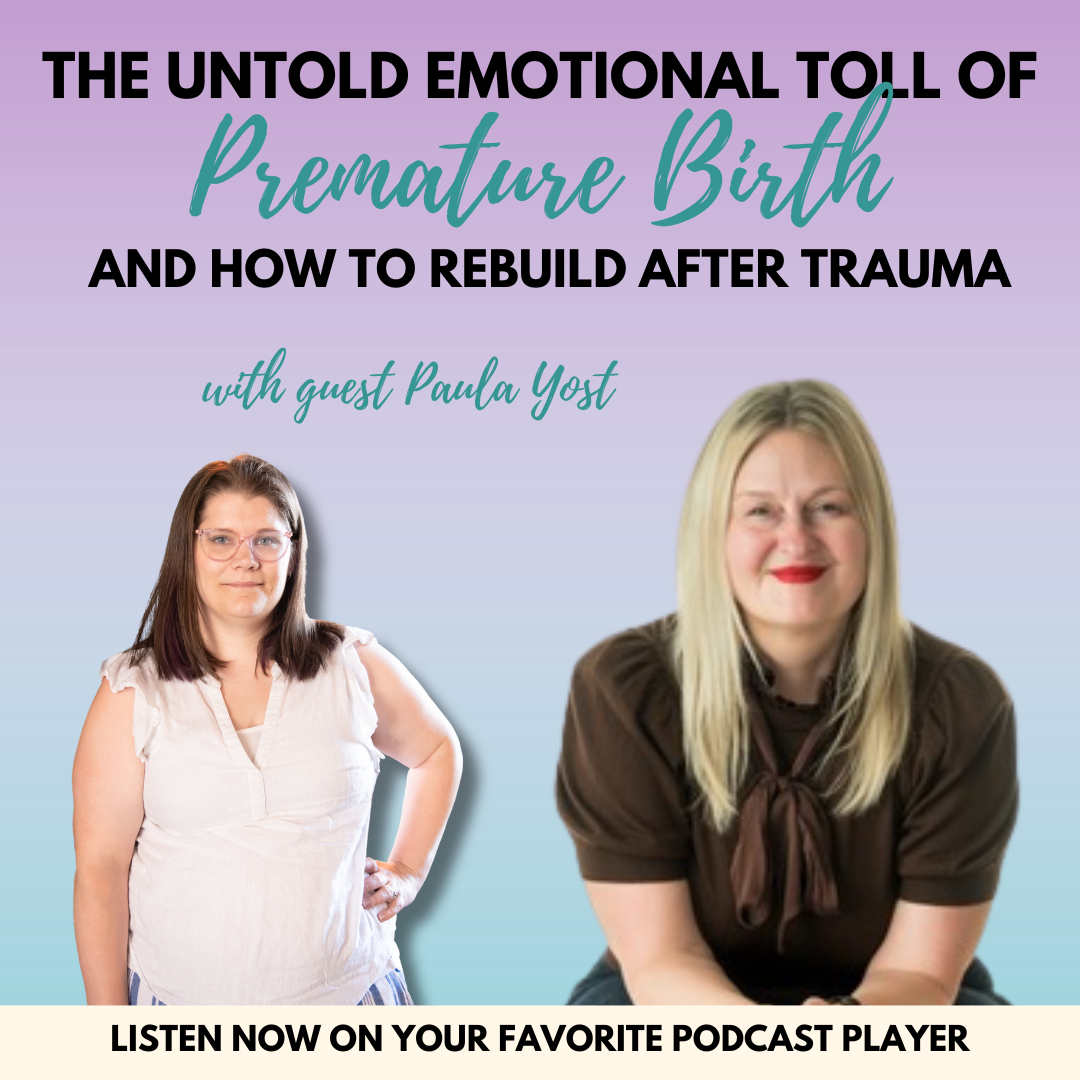
The Untold Emotional Toll of Premature Birth and How to Rebuild After Trauma
Introduction
When Paula Yoast was diagnosed with preeclampsia and underwent an emergency C-section at only 27 weeks, motherhood suddenly looked nothing like she had imagined. What followed was a traumatic birth, a long NICU stay, and years of anxiety and survival mode.
In this blog, Paula shares the realities of premature birth and NICU trauma, along with the emotional healing that can begin once the immediate crisis has passed. Her story offers validation, practical guidance, and hope for mothers navigating similar experiences.
Understanding Preeclampsia: The Silent Threat
One of the most striking aspects of Paula’s story is the lack of education and awareness around preeclampsia, a potentially life-threatening pregnancy complication. Despite being a second-time mother and married to a medical professional, Paula was blindsided by her diagnosis.
Key Insights
- Preeclampsia is often misunderstood and under-discussed.
- Paula recalls that during her first pregnancy, preeclampsia was mentioned only in passing, with little explanation of its seriousness or warning signs.
- Symptoms can be subtle and easily dismissed:
- Swelling, often mistaken for normal pregnancy swelling
Headaches, especially if unusual for you
Visual disturbances, such as seeing spots or experiencing temporary blindness
Gastrointestinal symptoms, such as unexplained diarrhea
High blood pressure and protein in urine, often only detected at a medical visit
- Education is critical.
- Paula’s experience highlights the need for better patient education. She had to Google preeclampsia while hooked up to IVs in the hospital, a situation no mother should face.
Actionable Advice
- If you’re pregnant, ask your provider to explain preeclampsia and its warning signs.
- Don’t hesitate to request detailed information and clarification.
- Track your symptoms and trust your instincts.
- If something feels off, especially if you experience sudden swelling, headaches, or vision changes, seek medical attention immediately.
- Advocate for yourself.
- If you feel dismissed by a provider, ask for a second opinion or request to speak with someone else.
The Emotional Toll of Traumatic Birth
Paula’s account of her emergency C-section at 27 weeks is raw and honest. She describes the vulnerability of being surrounded by dozens of medical professionals, the physical agony of magnesium sulfate treatment, and the emotional shock of being separated from her newborn.
Key Insights
- Trauma is not just physical. It’s deeply emotional.
- Even when intellectually aware that complications aren’t your fault, feelings of shame, guilt, and grief can be overwhelming.
- The mind-heart disconnect is real.
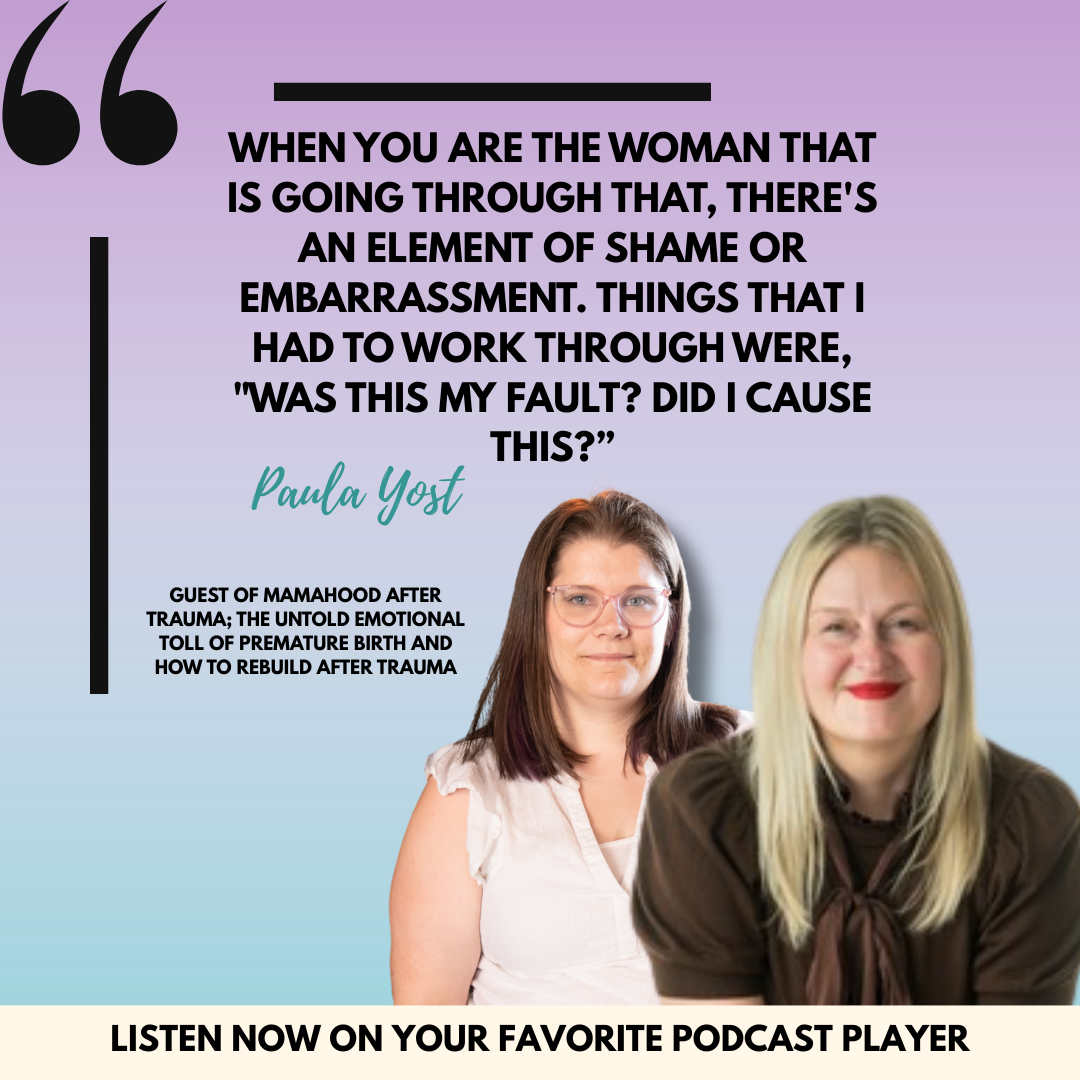
- Paula struggled to reconcile what she knew logically, “It’s not my fault,” with what she felt emotionally, “Did I cause this?”
- Medical environments can be dehumanizing.
- Paula’s first OB-GYN referred to her as “an incubator,” compounding her sense of isolation and fear.
Actionable Advice
- Acknowledge your feelings.
- It’s normal to feel a range of emotions after a traumatic birth, including fear, anger, sadness, and even embarrassment. Allow yourself to process these feelings without judgment.
- Seek compassionate care.
- If you encounter a dismissive provider, ask for someone else. You deserve to be treated with empathy and respect.
- Connect with others who understand.
- Sharing your story with other mothers or support groups can help validate your experience and reduce isolation.
Surviving the NICU: Coping Strategies for Parents
The NICU is a world unto itself, one that most parents never expect to enter. Paula describes it as “trauma after trauma,” with constant alarms, medical jargon, and the heartbreak of leaving your baby behind each night.
Key Insights
- The NICU experience is relentless.
- Parents often juggle hospital visits, work, and caring for other children, all while managing their own fear and exhaustion.
- Small victories matter.
- Each milestone, breathing without oxygen, gaining weight, or coming off monitors, offers hope and relief.
- The trauma doesn’t end at discharge.
- Paula’s son came home on a heart monitor, and the anxiety persisted with every alarm and doctor’s appointment.
Actionable Advice
- Establish a support system.
- Divide NICU visits with your partner or trusted loved ones.
- Accept help with meals, childcare, or errands.
- Communicate with the NICU team.
- Ask questions about your baby’s care and progress.
- Request updates and explanations in plain language.
- Practice self-care, even in small ways.
- Take breaks when possible.
- Allow yourself to rest and eat, even if it feels difficult.
Celebrate every milestone.
Mark each achievement, no matter how small, to help maintain hope.
The Healing Journey: Processing Trauma After Birth
Healing from birth trauma is not linear. Paula’s journey involved years of anxiety, survival mode, and gradual acceptance.
Key Insights
- Healing takes time and often begins after survival mode ends.
- Paula didn’t start to heal until her son began hitting developmental milestones and the immediate crisis had passed.
- Anniversaries can be triggering, but they can also be healing.
- Paula marks her son’s birthday and NICU “graduation” day as reminders of their journey and resilience.
- Writing and storytelling can be therapeutic.
- Paula’s book, Tumbleweeds, is a collection of her journals and a testament to the power of sharing your story.
Actionable Advice
- Allow yourself to grieve and process.
- Trauma changes you, but it doesn’t define you. Give yourself permission to feel and heal at your own pace.
- Seek professional support if needed.
- Therapy, especially with someone experienced in birth trauma or perinatal mental health, can be invaluable.
- Find meaning in your experience.
- Whether through writing, advocacy, or supporting others, sharing your story can help you and others heal.
Expert Advice: Supporting Yourself and Others
Paula’s dual perspective as a therapist and trauma survivor offers unique insights for mothers and those supporting them.
Key Insights
- Validation is powerful.
- Simply hearing “It’s not your fault” from a compassionate provider made a world of difference for Paula.
- Hormonal changes amplify emotions.
- The postpartum hormone crash can intensify grief, anxiety, and overwhelm, especially after trauma.
- You are not alone.
- Many mothers experience traumatic births and NICU stays. Community and connection are essential.
Actionable Advice
- For mothers:
- Reach out for help, whether from professionals, friends, or online communities.
- Be gentle with yourself. Healing is not a race.
- For partners and loved ones:
- Offer practical support, such as meals, childcare, or errands.
- Listen without judgment or trying to “fix” things.
- Encourage professional help if needed.
- For healthcare providers:
- Prioritize patient education and emotional support.
- Use compassionate, person-centered language.
- Recognize the signs of trauma and refer to mental health resources.
Resources and Next Steps
If you or someone you love is navigating motherhood after trauma, know that support is available.
Recommended Resources
Paula Yoast’s website: Paula Yoast
Paula Yoast's Facebook: Paula Yoast
Paula Yoast's Instagram: Paula Yoast
Book: Tumbleweeds by Paula Yoast
Free Quiz: Find Your Next Step to Calm and Healing, linked in the podcast show notes
Support Groups
Final Thoughts
Motherhood after trauma is a journey of courage, resilience, and hope. Paula’s story reminds us that surviving a traumatic birth or NICU stay can leave emotional wounds that continue long after the immediate crisis has passed.
Healing may take time, and it may not happen in a straight line. But through compassionate support, professional care, community, and the freedom to process your experience honestly, rebuilding is possible. You are not alone, and what happened to you was not your fault.
Thank you for subscribing!
Have a great day!
Support the Podcast
Become a Mamahood After Trauma supporter through Buy Me a Coffee. Your support helps us continue creating free podcast episodes and resources for mamas healing from trauma.
Supporters receive a shout-out on the podcast!