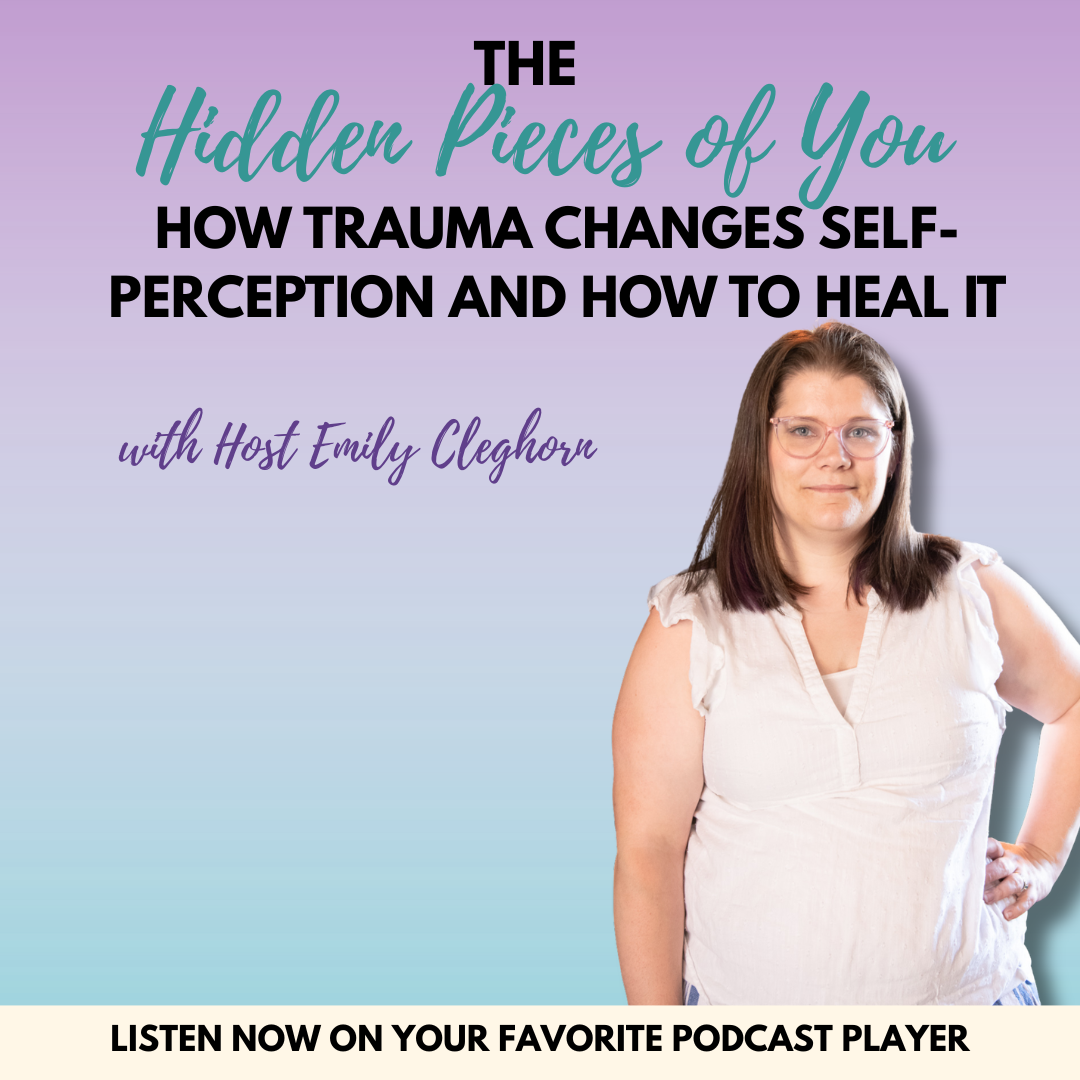
The Hidden Pieces of You: How Trauma Changes Self-Perception and How to Heal It
Introduction
Trauma does not just change how you respond to the world. It can also change how you see yourself. In this blog recap of Mamahood After Trauma, Emily Cleghorn explores how mothers can reconnect with the parts of themselves that survival forced them to bury, allowing them to parent with greater peace, confidence, and authenticity.
Understanding the Impact of Trauma on Self-Perception
Trauma does not just change how you respond to the world. It changes how you see yourself.
- Survival Mode
When you are in survival mode, your energy is focused on getting through each day. This often means suppressing or hiding parts of yourself that do not feel “safe” or “necessary” for survival.
- Buried Identity
Over time, you may lose touch with your creativity, dreams, softness, voice, or confidence, not because they are not valuable, but because survival demanded something different.
Expert Insight:
This is a common experience for mothers healing from trauma. Recognizing that these parts of you are not lost, but simply buried, is the first step toward reclaiming them.
Rediscovering the Buried Parts of Yourself
Healing is not always about becoming someone new. Sometimes, it is about returning to who you were before survival took over.
Reflective Questions to Guide Your Rediscovery
What did you love before you learned to survive?
What made you laugh or sparked your curiosity?
What made you feel truly alive?
Actionable Advice:
- Journaling
Set aside time each week to journal about your childhood passions, dreams, and moments of joy. What themes emerge?
- Creative Exploration
Revisit old hobbies or try new creative outlets. Even small acts, like doodling, singing, or dancing, can help you reconnect with your authentic self.
- Mindful Observation
Notice when you feel most at ease or most like yourself during the day. What are you doing? Who are you with? Use these clues to guide your healing.
Nuanced Insight:
Emily reminds us that these parts of you were never “wrong” or “weak.” They were simply set aside for a time. Healing is about giving yourself permission to bring them back into the light.
From Survival to Healing: Shifting Your Mindset
Survival asks, “How do I get through this?” Healing asks, “What kind of life do I want to create?”
Key Differences Between Survival and Healing
|
Survival Mode |
Healing Mode |
|---|---|
|
Focused on immediate safety |
Focused on long-term growth |
|
Suppresses emotions and desires |
Welcomes curiosity and self-expression |
|
Isolates and protects |
Seeks connection and support |
Actionable Advice:
- Set Intentions
Each morning, ask yourself, “What do I want to experience today?” rather than, “What do I need to get through?”
- Practice Self-Compassion
When old survival patterns arise, acknowledge them without judgment. Remind yourself that you are safe now, and it is okay to want more than just survival.
- Visualize Your Future
Spend time imagining the kind of mother and person you want to be. What qualities do you want to embody? What legacy do you want to leave for your children?
Expert Perspective:
Emily’s approach is rooted in the belief that your children deserve to see you come alive, not just get through the day. Modelling healing and self-reclamation is a powerful gift to your family.
The Importance of Community: The Rising Room
You do not have to figure out the next version of yourself alone.
Why Community Matters in Healing
- Validation
Being seen and heard by others who understand your journey reduces shame and isolation.
- Shared Tools
Learn emotional tools and coping strategies from others who have walked a similar path.
- Accountability
A supportive group can help you stay committed to your healing goals.
About The Rising Room
Join The Rising Room: a supportive space for mothers to reconnect with themselves, build emotional tools, and continue their journey of becoming. This community is designed to help you rebuild emotionally, with guidance and encouragement every step of the way.
Actionable Advice:
- Seek Out Support
Whether it is The Rising Room or another group, find a community where you feel safe to share and grow.
- Engage Regularly
Healing is a process. Show up consistently, even when it feels hard.
- Celebrate Progress
Share your wins, big or small, with your community. Let others celebrate you, too.
Actionable Steps for Your Healing Journey
Take the “Find Your Next Step to Calm and Healing” Quiz
Emily’s free quiz helps you identify where you are in your healing journey and what your next best step looks like.
Reflect and Reconnect
Use journaling, creative exploration, and mindful observation to rediscover the parts of yourself that were buried by trauma.
Shift Your Mindset
Move from survival to healing by setting intentions, practising self-compassion, and visualizing your future.
Join a Supportive Community
Consider joining The Rising Room or another group where you can share your journey and learn from others.
Model Healing for Your Children
Remember: Your children do not just need a mother who gets through the day. They deserve to witness a mother who comes alive again.
Resources and Next Steps
Take Emily Cleghorn’s free Find Your Next Step to Calm and Healing quiz.
Consider joining The Rising Room for community support.
Follow the Mamahood After Trauma podcast for weekly guidance and encouragement.
Final Thoughts
Healing from trauma is not a linear path, and you do not have to walk it alone. By reconnecting with the parts of yourself that were buried for survival, you can create a life and a motherhood rooted in peace, confidence, and authenticity.
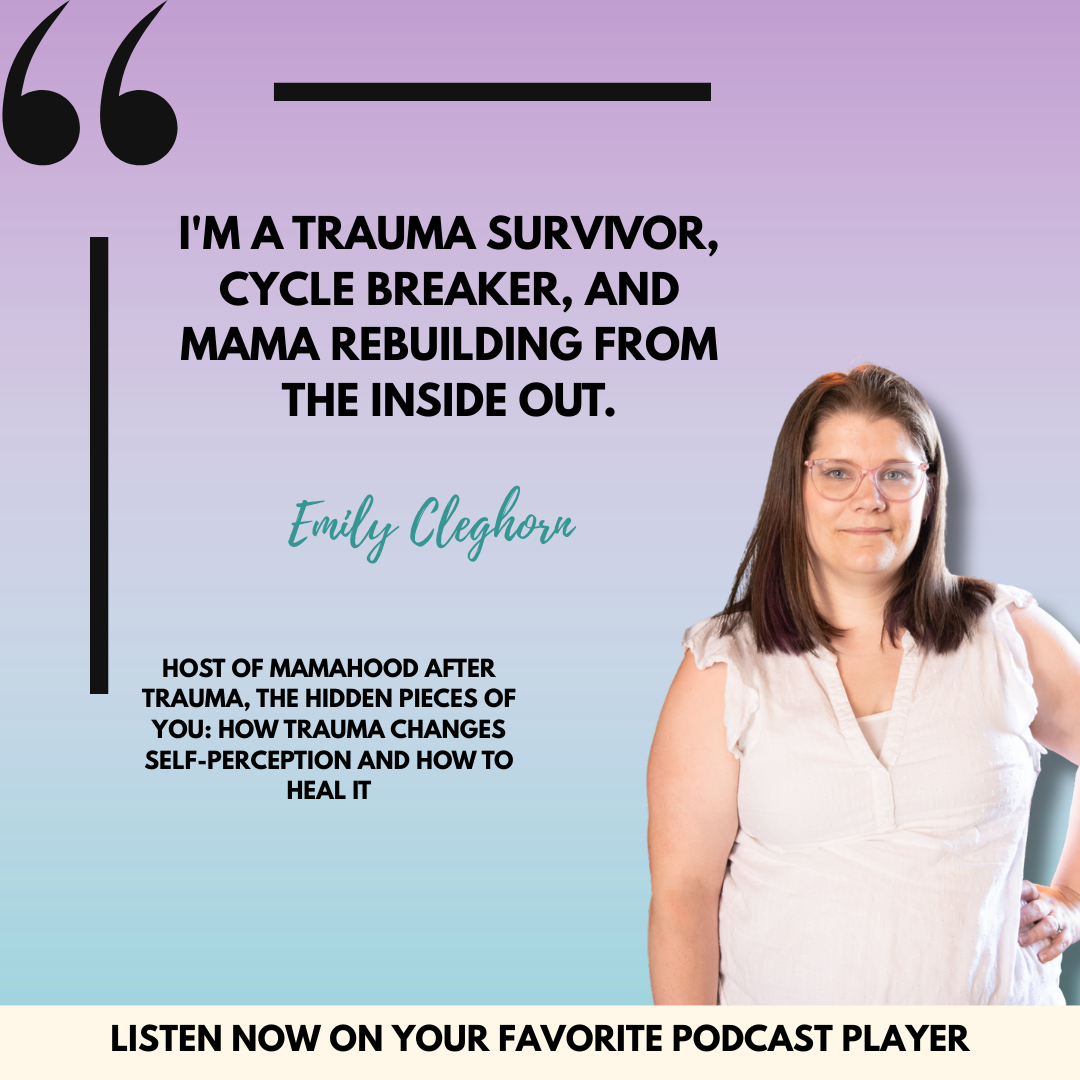
As Emily Cleghorn reminds us, “Mend the past so you can mama in peace.”
You are seen. You are worthy. And you are not alone.
Thank you for subscribing!
Have a great day!
Support the Podcast
Become a Mamahood After Trauma supporter through Buy Me a Coffee. Your support helps us continue creating free podcast episodes and resources for mamas healing from trauma.
Supporters receive a shout-out on the podcast!