When Love Hurts: Identifying the Subtle Signs of Abuse and Finding Your Way Back


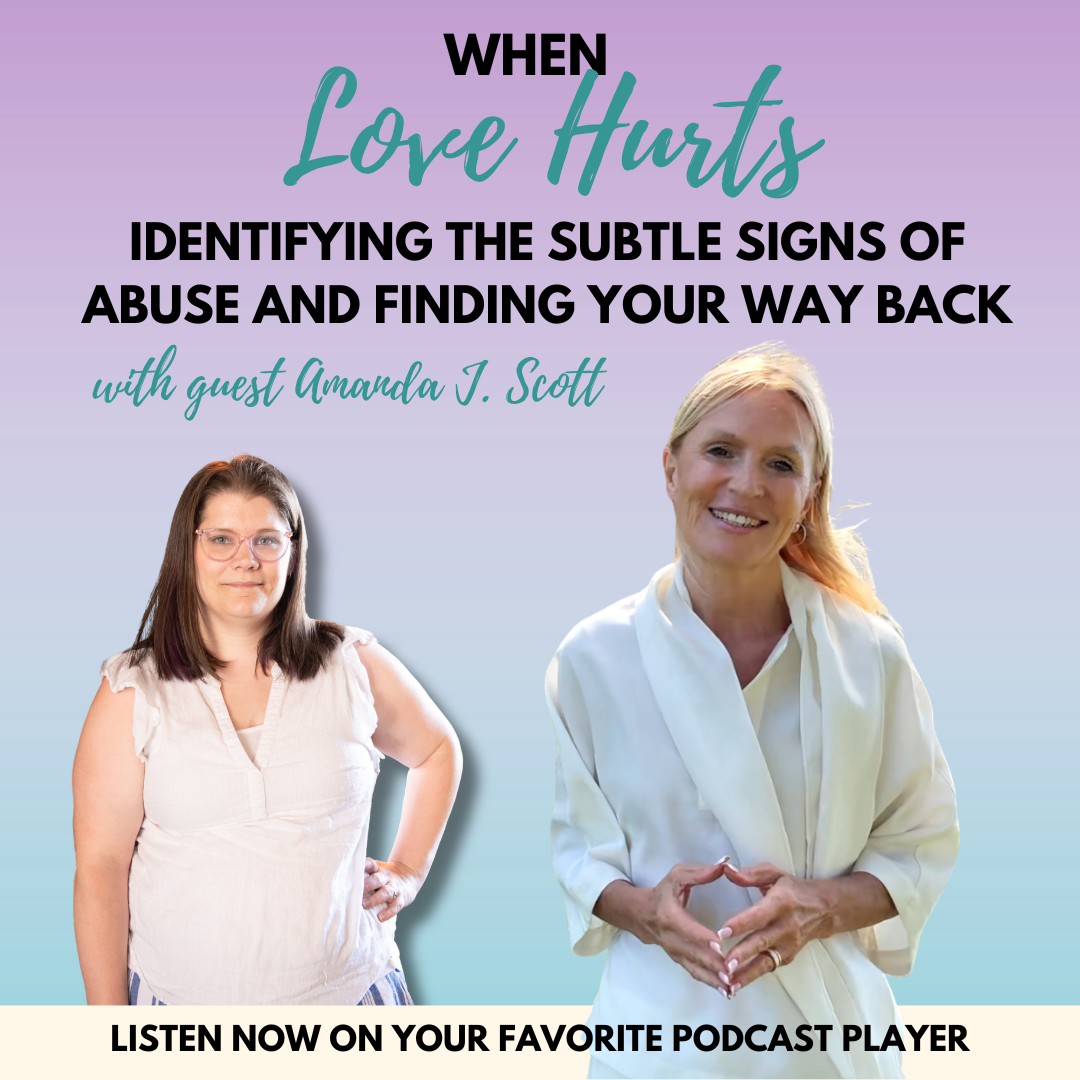
When Love Hurts: Identifying the Subtle Signs of Abuse and Finding Your Way Back

Introduction

Abuse is not always visible. It does not always leave bruises or scars. Sometimes, it is the silent erosion of your self-worth, the constant feeling of walking on eggshells, or the gradual loss of your voice and independence.

In this blog recap of Mamahood After Trauma, host Emily Cleghorn sits down with Amanda Scott, author, trauma recovery advocate, and survivor of 17 years in an abusive marriage. Together, they shine a light on the often-hidden forms of abuse and offer a roadmap for healing and reclaiming your life.

Whether you are questioning your relationship, supporting a loved one, or seeking to break generational cycles, these insights can help you recognize abuse, understand your worth, and take your first steps toward freedom and healing.

Understanding the Many Faces of Abuse

Amanda Scott’s story is a powerful reminder that abuse is not always physical. In fact, the most insidious forms of abuse are often the hardest to name and heal from.

Abuse can be:

  • Emotional: Manipulation, gaslighting, shaming, constant criticism, or making you feel small and unworthy.

  • Financial: Controlling access to money, forcing you to ask for basic needs, or denying you financial independence.

  • Spiritual: Using religious beliefs to control, shame, or silence you.

  • Sexual: Coercion, manipulation, or the violation of boundaries.

  • Physical: Any form of violence or threat of violence.

Key Insight:

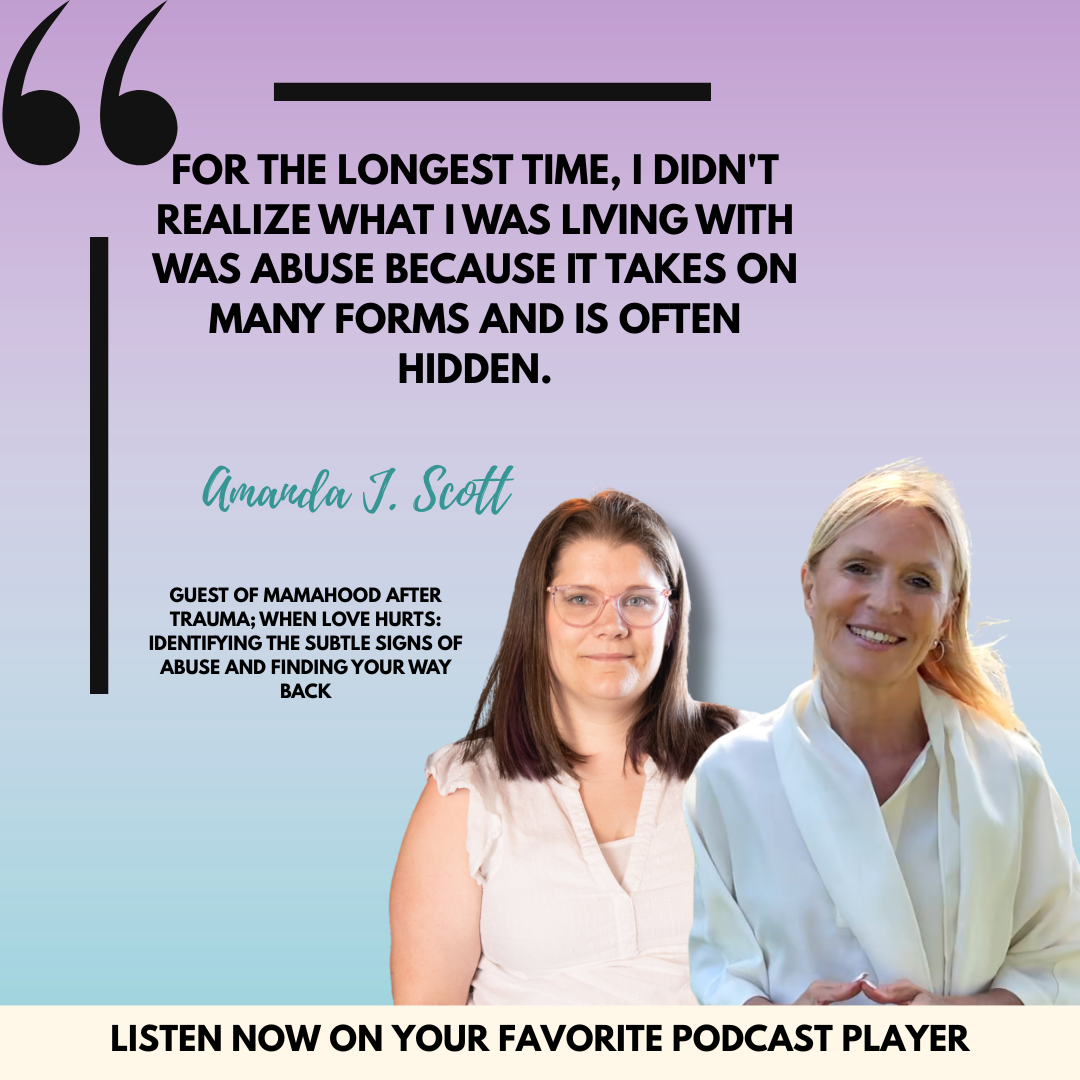
Abuse isn’t always bruises or broken bones. Sometimes it’s silence, manipulation, or constantly walking on eggshells.”
— Amanda Scott

Expert Advice:

If you feel trapped, silenced, or as though you are losing yourself, it is time to question whether your relationship is healthy, even if there is no physical violence.

Recognizing the Warning Signs: Is It Really Abuse?

Many survivors, like Amanda, struggle to recognize abuse because it has been normalized, either through their upbringing or through gradual escalation within their relationship.

Here are some nuanced warning signs to watch for:

Loss of Power and Control

  • Your partner makes all the decisions, whether they are big or small.

  • Your opinions are dismissed or ridiculed.

  • You feel as though you have no say in your own life.

Constant Self-Doubt and Blame

  • You are regularly told that you are “stupid,” “crazy,” or “too sensitive.”

  • You are made to feel that everything is your fault.

  • You question your own reality and judgment.

Isolation

  • You are discouraged or forbidden from seeing friends or family.

  • You are shamed for having relationships outside the home.

  • Your world gradually shrinks until your partner becomes your only point of reference.

Financial Dependence

  • You have to ask for money or justify every expense.

  • You are denied access to joint accounts or financial information.

  • Despite contributing through housework, childcare, or part-time work, you are told that you “do not do enough.”

Walking on Eggshells

  • You constantly monitor your words and actions to avoid conflict.

  • You suppress your needs and desires to “keep the peace.”

  • You feel small, trapped, or invisible.

Actionable Tip:

If you feel “wrong,” “small,” or “trapped,” that is enough to call it abuse. You do not have to wait for physical violence. Your feelings are valid.

The Turning Point: Moving from Doubt to Clarity

For Amanda, the realization did not come through one dramatic incident. Instead, it came through a slow, dawning awareness.

A seemingly ordinary event, returning from the park to a barrage of missed calls and accusations, became the catalyst for questioning her reality.

Key Insights:

  • Abuse often escalates gradually, making it difficult to pinpoint when “normal” became “not okay.”

  • Survivors often internalize blame, believing they “deserve” mistreatment or that their needs are unimportant.

Expert Guidance:

  • Self-Reflection: Ask yourself, “Do I feel safe, respected, and valued in this relationship?”

  • Reality Check: If you are constantly anxious, second-guessing yourself, or feeling unworthy, it is time to seek clarity.

The First Step: Internal Recognition and Building Support

Amanda emphasizes that the first step is not always leaving. It is recognizing internally that what you are experiencing is not love or normalcy.

Internal Recognition

  • Acknowledge that your pain is real and your feelings are valid.

  • Understand that abuse is never your fault, no matter how often you have been told otherwise.

  • Recognize that you deserve dignity, respect, and safety.

Building a Support System

  • Maintain Friendships: Even one trusted friend can be a lifeline. Isolation is a tool of abuse, while connection is a tool of healing.

  • Seek Professional Help: Counsellors, therapists, and support groups can provide validation and guidance.

  • Do Not Wait for the “Perfect” Moment: You do not need to have all the answers before you begin healing. The decision to want something better is enough to start.

Amanda’s Wisdom:

The start of healing isn’t when you end the abuse. It’s when you begin to see it internally. You might not be ready to take big actions right away, but internally, you’re building strength.”

What Healthy Love Really Looks Like

Many survivors have never seen or experienced a healthy relationship, making it difficult to know what they should be looking for. Amanda offers a clear vision of healthy love.

Hallmarks of a Healthy Relationship

  • Safety: You feel physically and emotionally safe.

  • Respect: Your boundaries, opinions, and needs are honoured.

  • Freedom: You can speak your truth, make mistakes, and be yourself without fear.

  • Mutual Growth: Both partners support each other’s growth and dreams.

  • Peace: You do not have to abandon yourself to “keep the peace.”

Red Flags of Abuse

  • Control replaces respect.

  • Fear replaces safety.

  • Shrinking replaces growth.

  • Second-guessing replaces confidence.

Actionable Tip:

Get clear on what love really is. Respect is non-negotiable. If you are walking on eggshells or losing yourself, it is not love.

Actionable Steps for Healing and Reclaiming Your Life

Amanda’s journey offers a roadmap for anyone ready to break free from abuse and reclaim their life.

Acknowledge the Truth

  • Name the abuse, even if you only name it to yourself at first.

  • Journal your experiences to gain clarity and perspective.

Reach Out for Support

  • Confide in a trusted friend, counsellor, or support group.

  • Explore resources such as women’s shelters or advocacy organizations.

Rebuild Self-Belief

  • Challenge the internalized messages of unworthiness.

  • Practice self-compassion and affirm your right to dignity and respect.

Take Small, Safe Steps

  • Set boundaries, even if they are only internal at first.

  • Make a safety plan if you are considering leaving.

  • Celebrate every step, no matter how small.

Prioritize Your Children’s Well-Being

Remember that staying for the children can teach them that love equals abuse. Model self-respect and healthy boundaries for your children.

Commit to Your Healing Journey

  • Healing is not linear. Allow yourself grace and patience.

  • Seek resources, books, and communities that support your growth.

Resources and Support

Amanda Scott’s Resources

Additional Support

  • National Domestic Violence Hotline

  • Local women’s shelters and advocacy groups

  • Trauma-informed therapists and counsellors

Mamahood After Trauma Resources

    Final Thoughts: You Deserve Respect, Safety, and Love
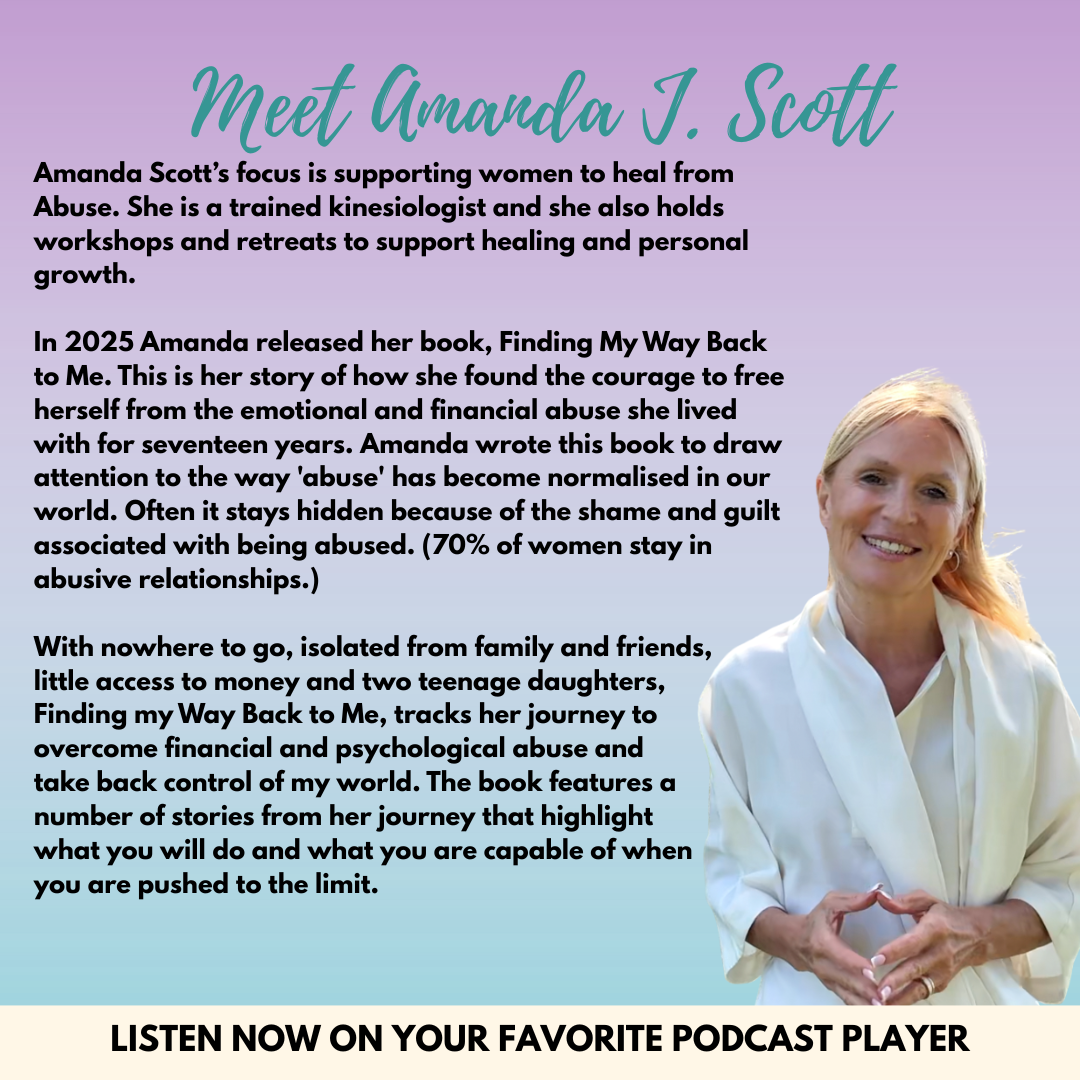
    Amanda’s story is a testament to the power of recognizing hidden abuse and choosing a different path, not just for yourself, but also for your children and future generations.

    Healing begins with the decision that you deserve better.

    Support the Podcast

    Become a Mamahood After Trauma supporter through Buy Me a Coffee. Your support helps us continue creating free podcast episodes and resources for mamas healing from trauma. 

    Supporters receive a shout-out on the podcast!