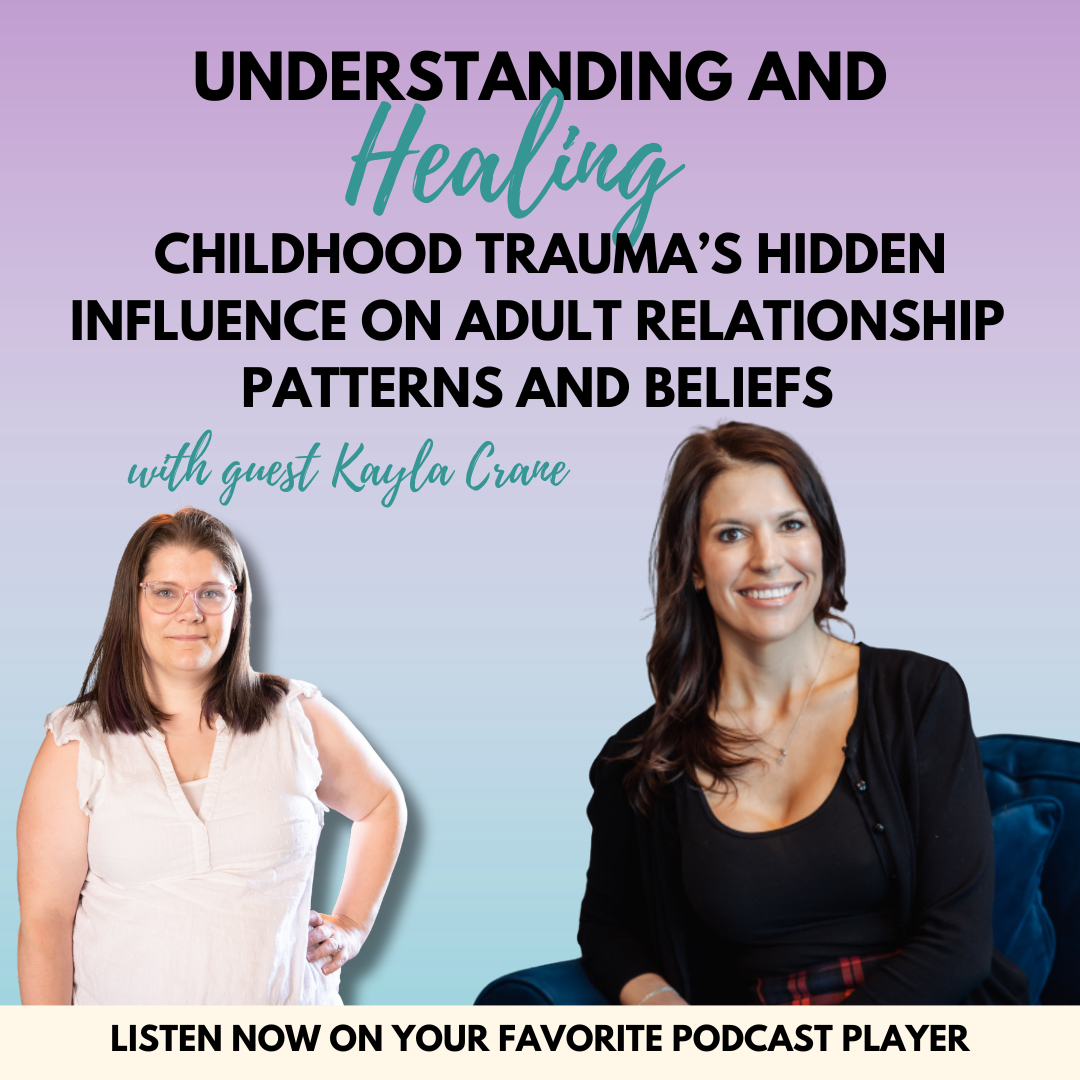
Understanding and Healing Childhood Trauma’s Hidden Influence on Adult Relationship Patterns and Beliefs
Introduction
Host Emily Cleghorn sits down with Kayla, a licensed marriage and family therapist, to explore how trauma shapes our relationships. Drawing from both lived experience and professional insight, their conversation offers a thoughtful look at the patterns trauma creates—especially for mothers seeking to break generational cycles.
Understanding the Hidden Influence of Trauma in Relationships
Trauma’s Subtle Manifestations
Trauma is often associated with dramatic symptoms or overt dysfunction, but as Kayla explains, its influence is frequently subtle and pervasive. Trauma shapes the internal beliefs and “rules” we carry into adulthood, many of which are formed in early childhood as survival mechanisms. These beliefs act as invisible lenses, colouring how we interpret our partner’s actions and the dynamics of our relationships.
Key Insight:
“Trauma doesn’t just show up as avoidant attachment or trauma bonding; it permeates every aspect of how we relate to others.”- Kayla, Licensed Marriage and Family Therapist
Core Beliefs and Childhood Adaptations: The Roots of Relational Patterns
How Trauma-Based Beliefs Are Formed
- Internalized Beliefs:
Children exposed to trauma often develop core beliefs such as “I am not lovable” or “I am not safe.” These beliefs become the foundation for how we interpret interactions in adulthood.
- Survival Rules:
To cope, children create “rules” (e.g., “Don’t show emotion,” “Always please others”) that once protected them but may now hinder authentic connection.
Example:
If you believe “I am not lovable,” you might interpret a partner’s distracted mood as rejection, triggering disproportionate emotional pain.
Childhood Adaptations in Adult Relationships
- Early Coping Strategies:
Behaviors like withdrawing, people-pleasing, or emotional outbursts often originate as childhood adaptations to unsafe environments.
- Maladaptive in Adulthood:
These strategies, while once protective, can sabotage adult relationships if left unexamined.
Expert Perspective:
“Many of our reactions are adaptations developed at age four or five. Recognizing them as such is crucial for healing.”- Kayla
Breaking the Cycle: Practical Steps for Healing Trauma in Relationships
Here, Kayla and Emily offer practical tools and insights to help you begin transforming trauma-driven patterns.
1. Self-Inquiry: Uncovering the Beliefs Beneath Your Reactions
How to Practice:
- When you feel triggered or hurt in a relationship, pause and ask:
“What does this mean about me that my partner acted this way?”
Trace your emotional response back to the underlying belief (e.g., “I feel ignored, so I must not be important”).
Why It Works:
This practice helps you identify the core belief driving your reaction, rather than focusing solely on your partner’s behavior.
By bringing these beliefs into conscious awareness, you can begin to challenge and reframe them.
Actionable Advice:
Keep a journal to track recurring triggers and the beliefs they reveal.
Share your insights with a trusted friend, therapist, or support group for added perspective.
2. Mindfulness: Creating Space Between Stimulus and Response
How to Practice:
When you notice a strong emotional reaction, take a deep breath and pause before responding.
Use grounding techniques (e.g., feeling your feet on the floor, naming five things you see) to anchor yourself in the present.
Why It Works:
Mindfulness interrupts automatic, trauma-driven reactions, allowing you to choose a more thoughtful response.
Over time, this builds emotional resilience and reduces reactivity in relationships.
Actionable Advice:
Set reminders throughout the day to check in with your body and breath.
Practice short mindfulness exercises daily, even outside of conflict, to strengthen this skill.
3. Inner Child Work: Healing the Source of Old Patterns
How to Practice:
Visualize or write a letter to your younger self, acknowledging the pain and adaptations that helped you survive.
Express gratitude to your inner child for its protection, then gently reassure it that you, as an adult, can now provide safety and care.
Why It Works:
Inner child work fosters self–compassion and helps integrate wounded parts of yourself.
By updating your internal narrative, you can release outdated survival strategies and adopt healthier ways of relating.
Actionable Advice:
Schedule regular “check-ins” with your inner child, especially after triggering events.
Consider working with a trauma-informed therapist to deepen this practice.
Emily’s Experience:
Emily shares that expressing gratitude to her inner child and consciously taking over the role of protector has been transformative in her healing journey.
Expert Recommendations for Ongoing Healing
- Seek Professional Support:
Trauma healing is complex. Working with a trauma-informed therapist (such as those trained in EMDR or somatic modalities) can accelerate your progress and provide a safe space for exploration.
- Build a Support Network:
Healing is not a solo journey. Connect with others who understand trauma, whether through support groups, online communities, or trusted friends.
- Practice Self-Compassion:
Recognize that old patterns were once necessary for survival. Approach yourself with kindness as you learn new ways of being.
Final Thoughts: Breaking Cycles, Creating Peace
“By mending the past, we create peace in our present and future. Breaking cycles is possible, and you can rise with honesty.”- Emily Cleghorn
Takeaway for Readers:
Choose one insight from this post or the episode.
Breathe, reflect, and commit to one small action today.
Remember, every step you take toward healing ripples out to your relationships, your children, and future generations.
Connect with Kayla:
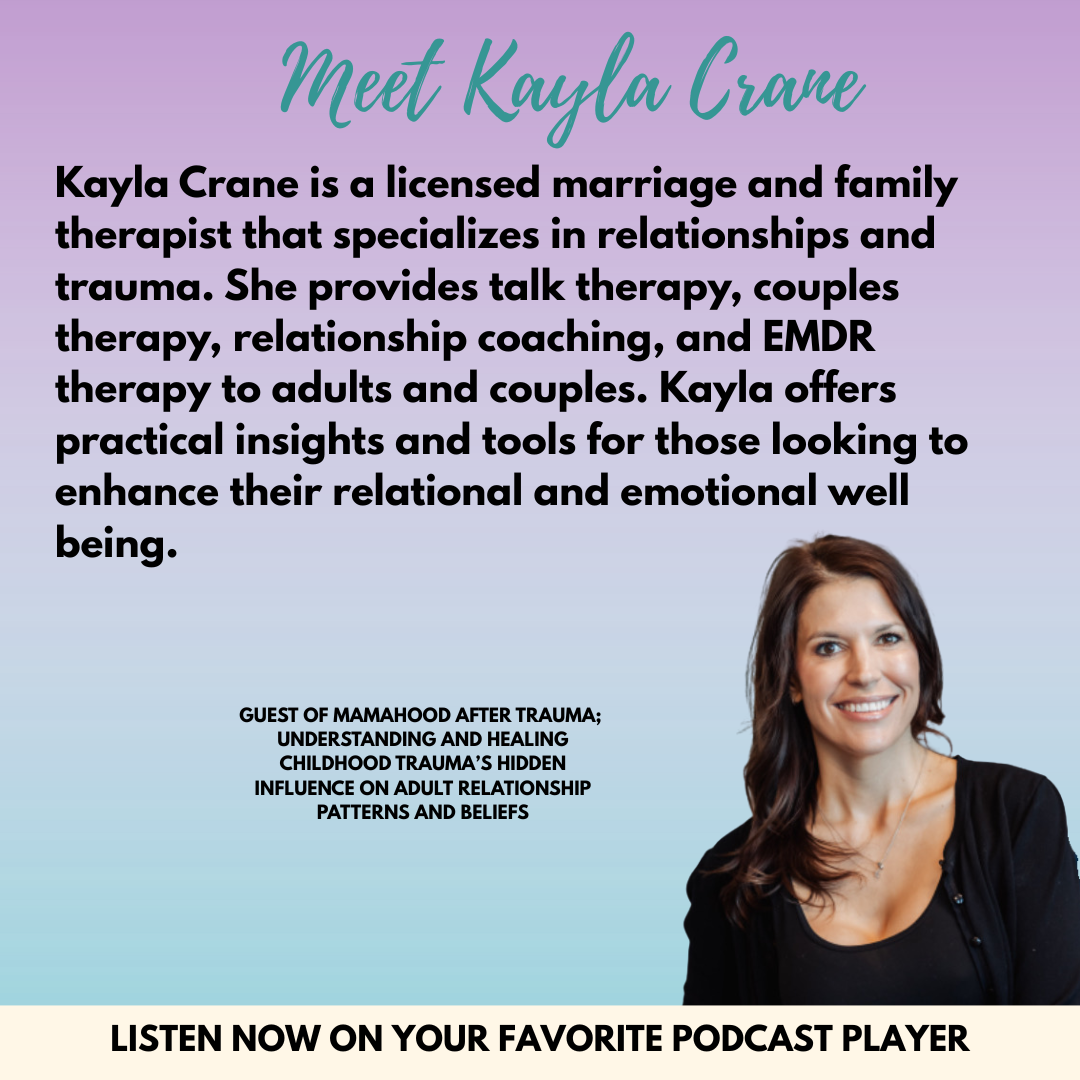
For more trauma-informed resources and support, connect with Kayla at SouthDenverTherapy.com or on Facebook and Instagram @SouthDenverTherapy
If you’re a mama ready to heal, grow, and nurture healthier connections, this episode, and these tools, are for you. Start your journey today, and know you’re not alone.
Thank you for subscribing!
Have a great day!