This website use cookies to ensure you get the best experience on our website
From Meltdowns to Makeovers: Healing Motherhood Without Losing Your Mind
Healing from trauma while navigating motherhood can leave you feeling caught between who you were and who you are becoming. Learn how to rebuild self-trust, embrace the messy middle, and practise new ways of parenting without losing yourself along the way.
Rediscovering Yourself After Trauma: When Survival No Longer Defines You
If you've spent years in survival mode, it can be hard to know who you are once the chaos begins to quiet. In this blog, Emily Cleghorn explores how trauma shapes our identity and shares practical steps to help you reconnect with yourself and embrace the person you're becoming.
Rewiring Motherhood: How to Break Free from Unconscious Trauma Loops
Have you ever caught yourself reacting in ways you promised you never would? In this episode of Mamahood After Trauma, Emily Cleghorn explores why trauma patterns show up in parenting and shares a simple four-step process to help mothers interrupt old cycles and build new patterns with awareness, compassion, and intention.
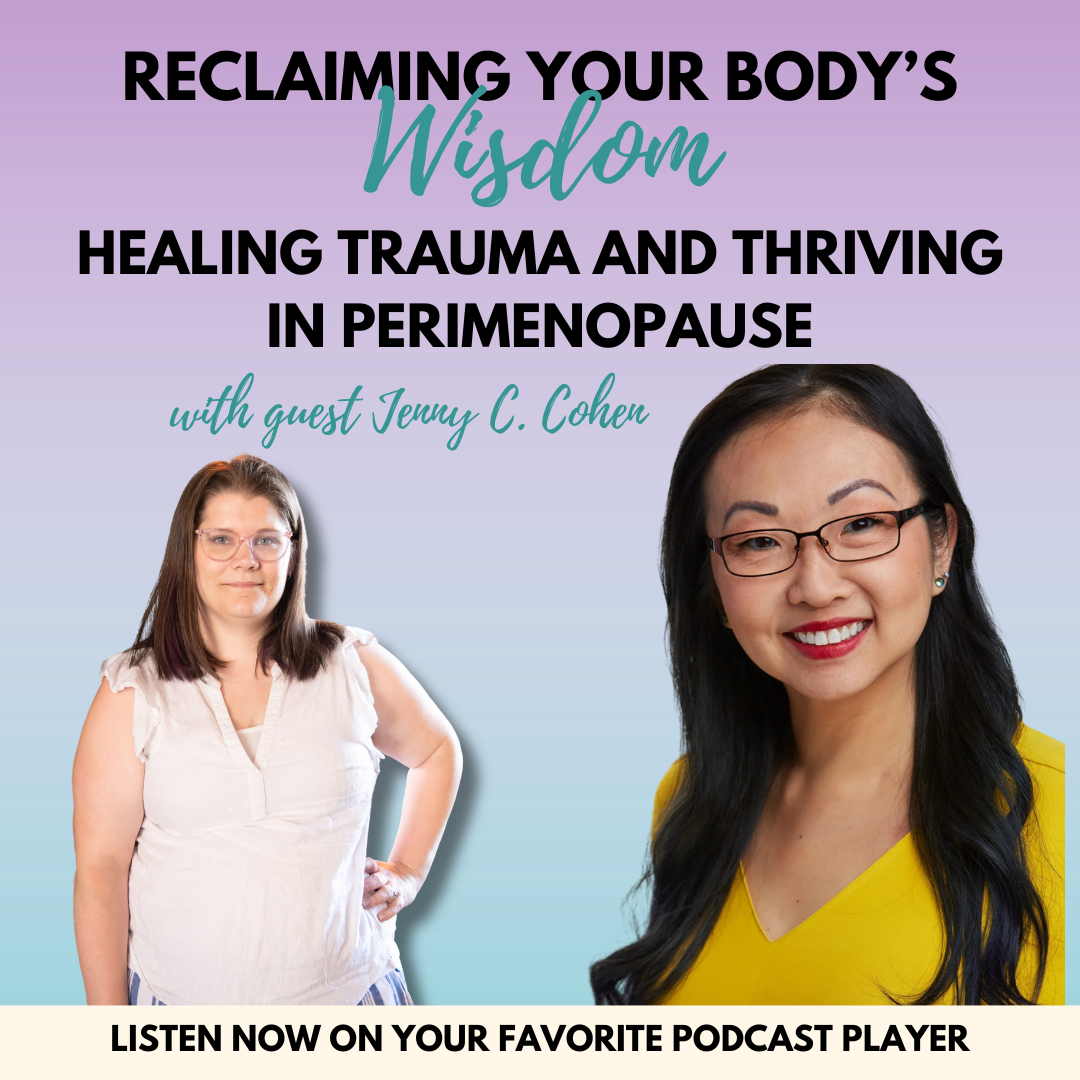
Reclaiming Your Body’s Wisdom: Healing Trauma and Thriving in Perimenopause
What if the symptoms of perimenopause were more than hormones? In this episode of Mamahood After Trauma, Jenny Cohen shares how trauma, disconnection, and the demands of motherhood can shape our relationship with our bodies- and how movement, play, and self-compassion can help us reconnect, heal, and thrive.
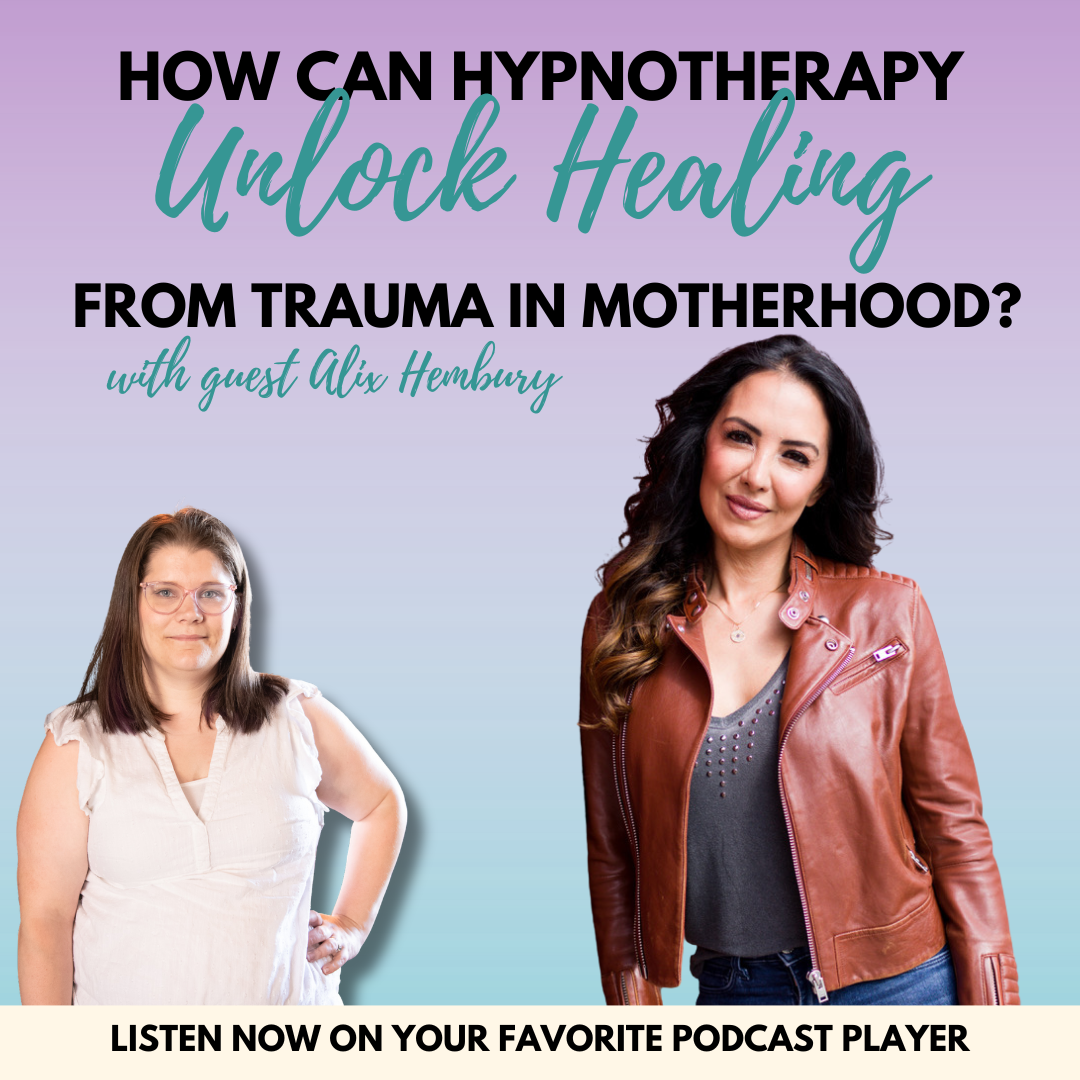
How Can Hypnotherapy Unlock Healing from Trauma in Motherhood?
This blog explores the connection between trauma, motherhood, and subconscious healing through the lens of Rapid Transformational Therapy (RTT). Emily Cleghorn and Alex offer practical insight into how unresolved trauma shapes parenting patterns and how deeper healing work can help mothers move forward with greater freedom, awareness, and intention.
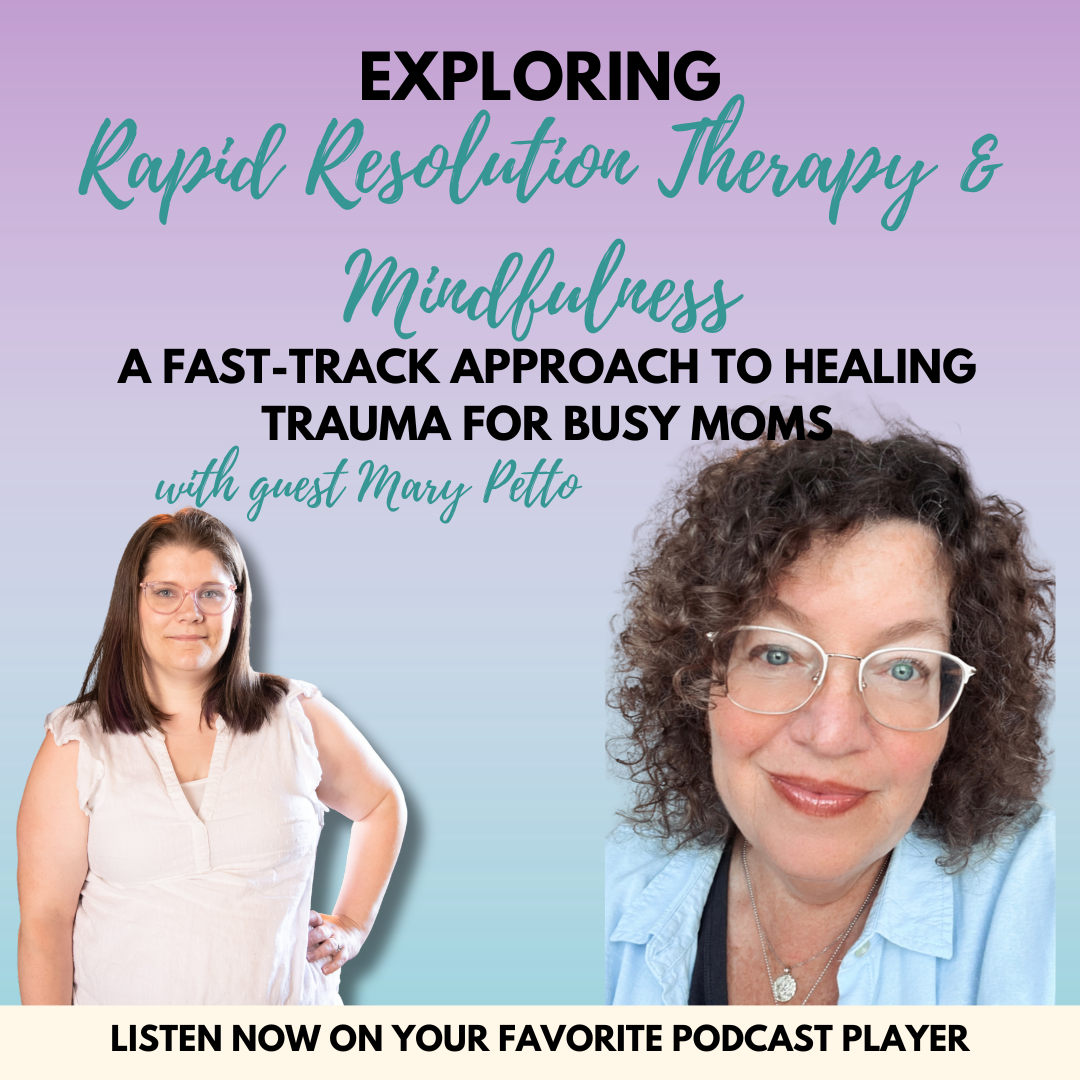
Exploring Rapid Resolution Therapy and Mindfulness: A Fast-Track Approach to Healing Trauma for Busy Moms
Emily Cleghorn and trauma specialist Mary explore healing after trauma through mindfulness, rapid resolution therapy, and cycle-breaking. This episode offers practical encouragement for mothers seeking freedom from shame and a more empowered way forward.