This website use cookies to ensure you get the best experience on our website
The Greatest Misconception About Healing in Motherhood
Motherhood after trauma isn’t neat and tidy—it’s messy, it’s non-linear, and it often feels like you’re taking two steps forward, one step back. In this episode, I’m pulling back the curtain on what healing really looks like for mamas like us. Just because you’re struggling doesn’t mean you’re broken—it means you’re human, and healing is happening, even when it doesn’t feel like it.
Toddler Talk Tips for Trauma-Surviving Mamas
In this episode, Emily sits down with Jessie, a pediatric speech therapist and mom of two, to talk about how to support your little one’s language development without losing your cool.
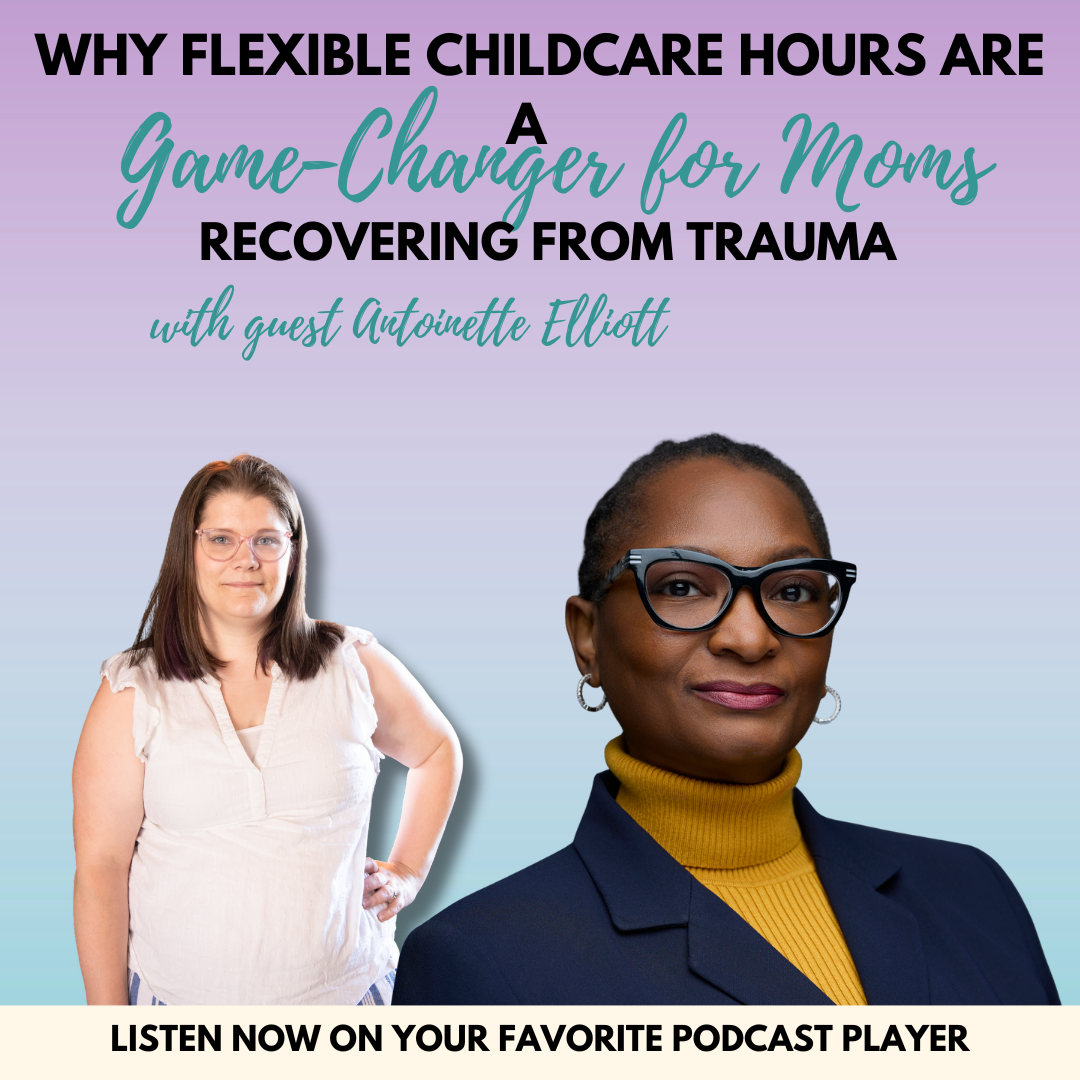
Why Flexible Childcare Hours Are a Game-Changer for Moms Recovering from Trauma
Finding supportive childcare can be especially difficult for moms healing from trauma. Learn how flexible hours, trauma-informed care, and compassionate providers can support both you and your child.
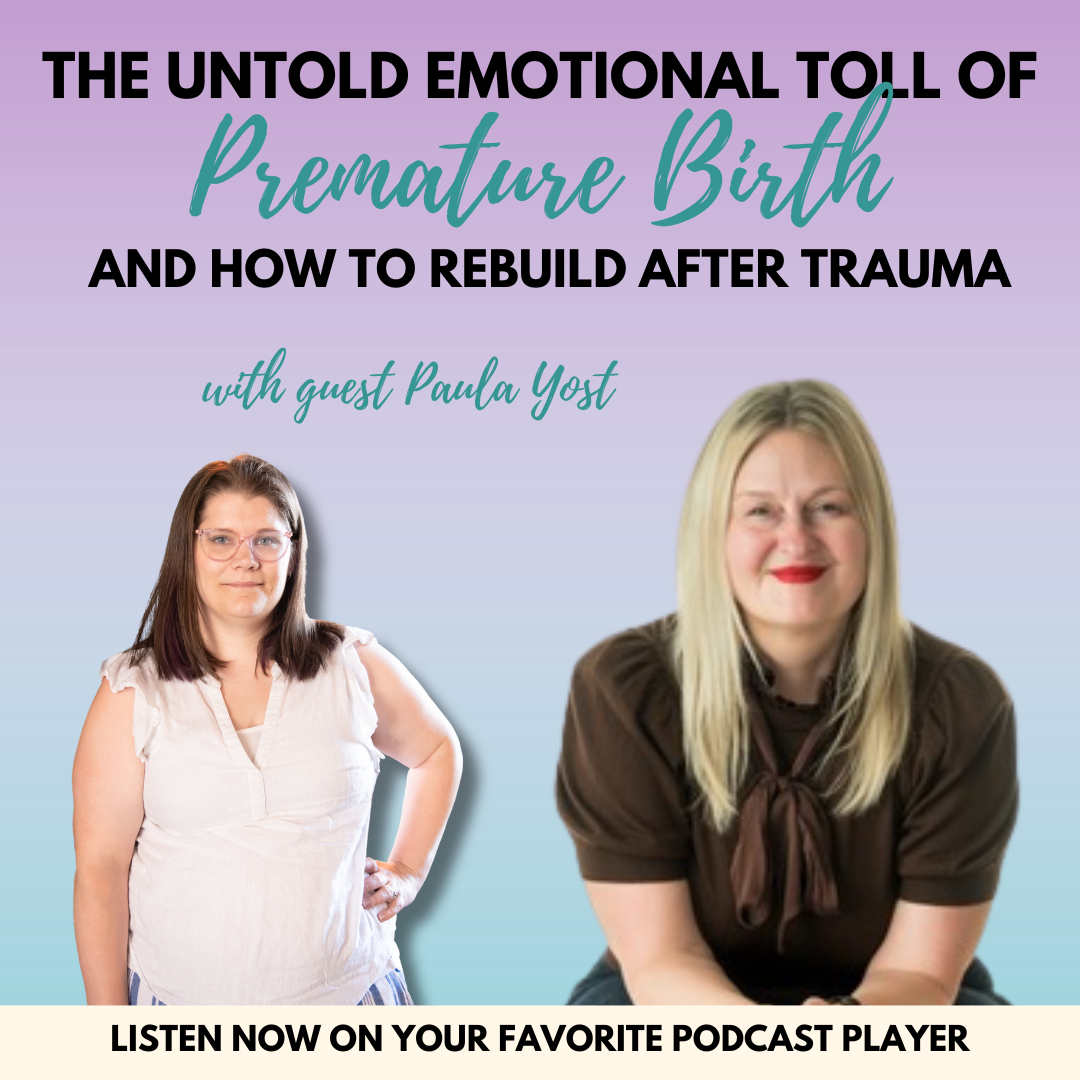
The Untold Emotional Toll of Premature Birth and How to Rebuild After Trauma
After experiencing preeclampsia, an emergency C-section, and a long NICU stay, Paula Yoast shares the emotional toll of premature birth and what helped her begin healing from the trauma.
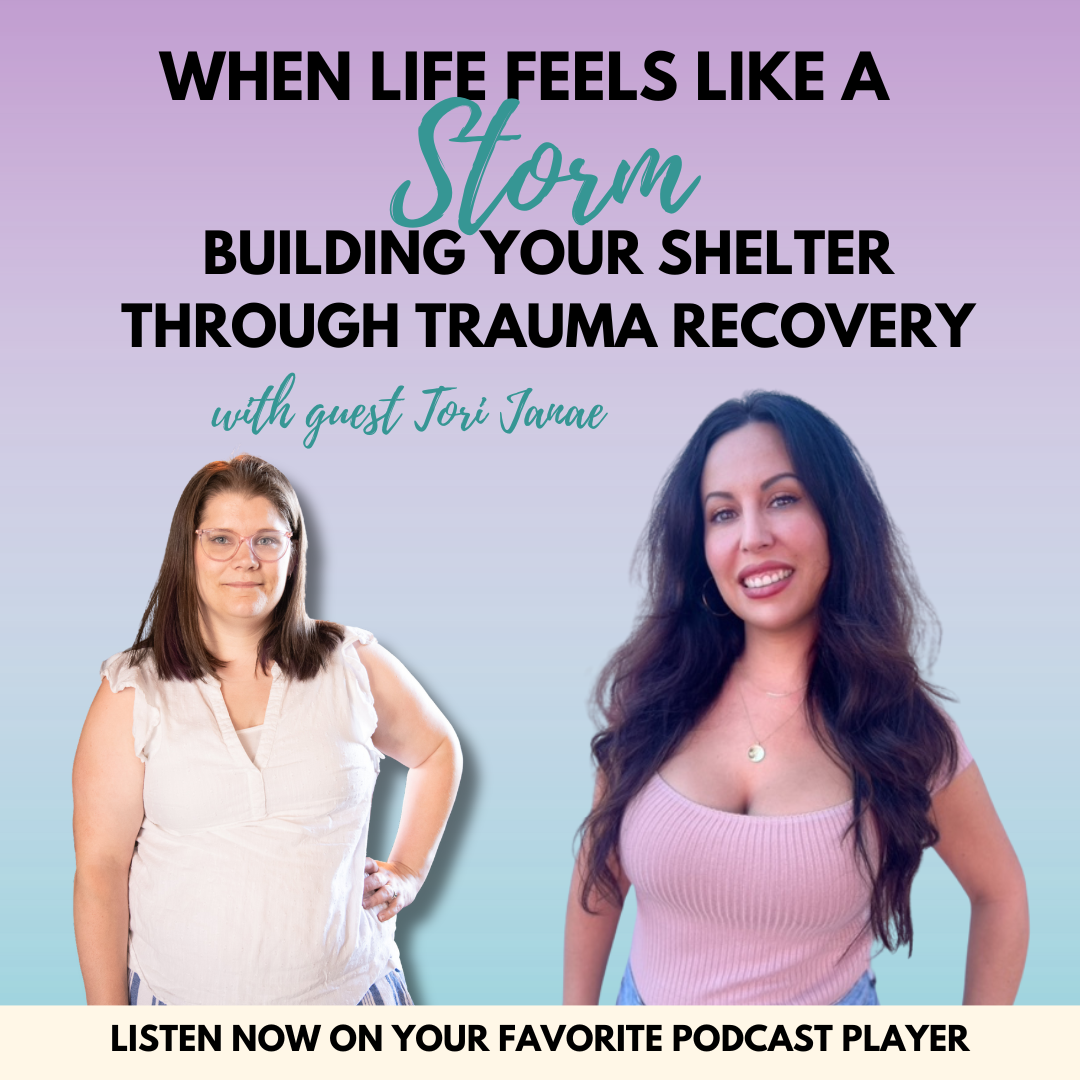
When Life Feels Like a Storm: Building Your Shelter Through Trauma Recovery
When life feels overwhelming, healing can seem impossible. In this blog recap of Mamahood After Trauma, Emily Cleghorn and trauma recovery expert Tori Janney share practical, compassionate steps to help mothers move beyond survival, regulate their nervous systems, and begin breaking generational cycles of trauma.
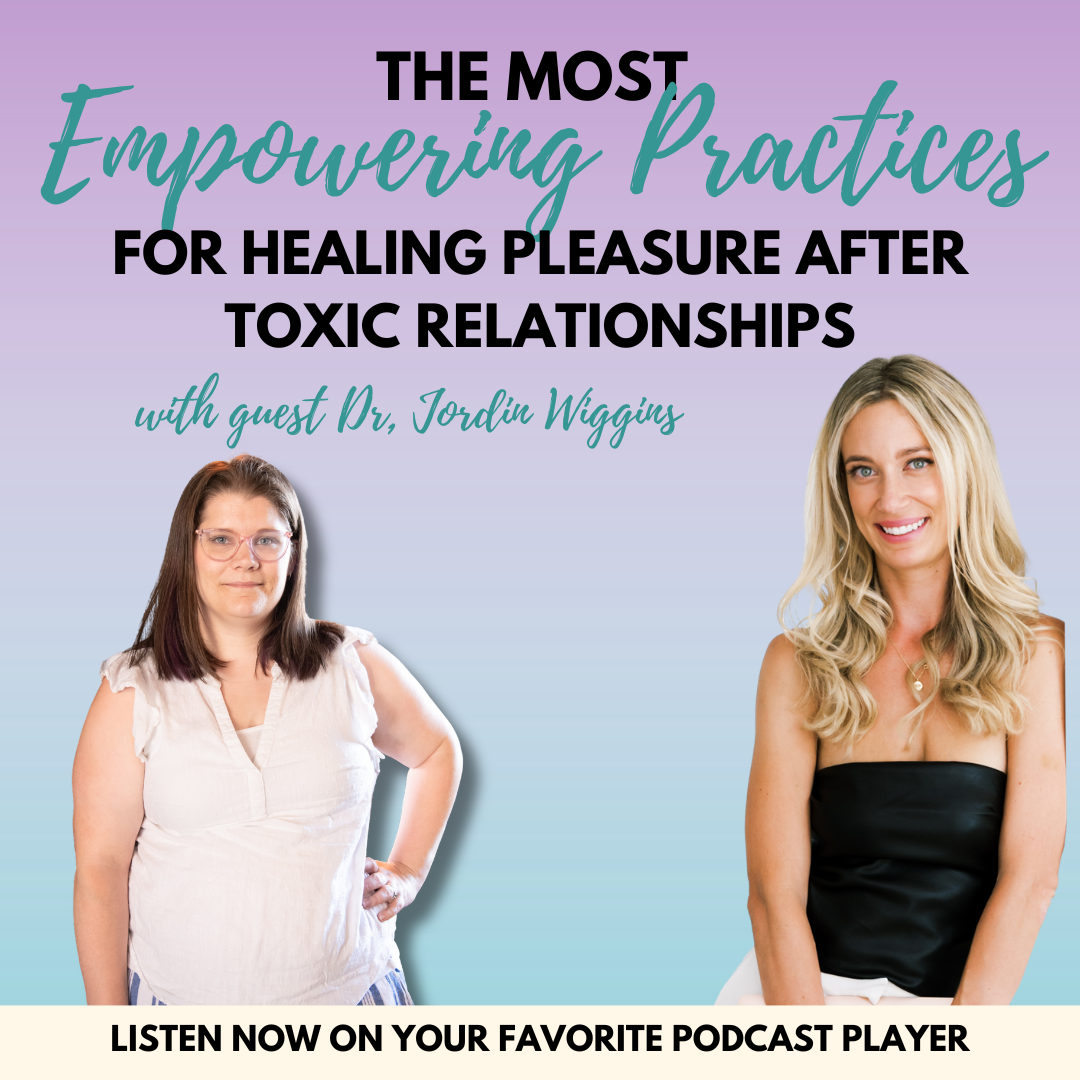
The Most Empowering Practices for Healing Pleasure After Toxic Relationships
Healing after trauma often means learning how to stop abandoning yourself to care for everyone else. This blog explores practical ways to reconnect with pleasure, set healthier boundaries, and move out of survival mode one small step at a time.